
Quick Answer
Garden gnomes are trending in 2026 because searches for them have grown 397% year-over-year, driven by a broader nostalgia wave in garden design, refreshed retailer collections, and their popularity on TikTok and Instagram. Originally inspired by German folklore, modern garden gnomes are once again becoming a simple, affordable way to add personality and charm to outdoor spaces.
Key Takeaways
- Garden gnome searches are up 397% year-over-year in 2026.
- The comeback is driven by nostalgia in garden design, refreshed retailer designs, and social media visibility.
- Gnomes originated in German folklore as protective figures for gardens and homes.
- Styling works best with one focal gnome placed in a defined location rather than several scattered around the yard.
- Resin and stone composite gnomes are generally more durable than cheap painted plastic or unglazed ceramic.
- The trend reflects a broader long-term nostalgia movement in garden décor rather than a short-lived fad.
Introduction
If you’ve noticed more little bearded men in pointy red hats popping up in your neighbors’ flower beds this year, you’re not imagining it. Garden gnome searches have jumped 397% year-over-year, making them one of the fastest-growing garden decor trends of 2026 – and after years of treating mine as a slightly embarrassing hand-me-down, I finally understand why.
I inherited my first gnome from my grandmother’s garden nearly a decade ago. For years, he sat half-hidden behind a hosta, mostly because I wasn’t sure I wanted to admit I owned him. This spring, I moved him front and center by the mailbox – and for the first time, people started asking where I got him instead of laughing about him.
This daily garden guide breaks down what’s actually driving the gnome comeback, a bit of the history behind why gnomes exist in gardens at all, whether it’s worth jumping on the trend, and how to style one so it looks intentional instead of accidental.
Garden Gnome Meaning: A Quick History of Why Gardens Have Them at All
Before we get into why they’re trending, it’s worth understanding where they came from – it explains a lot about why they keep coming back.
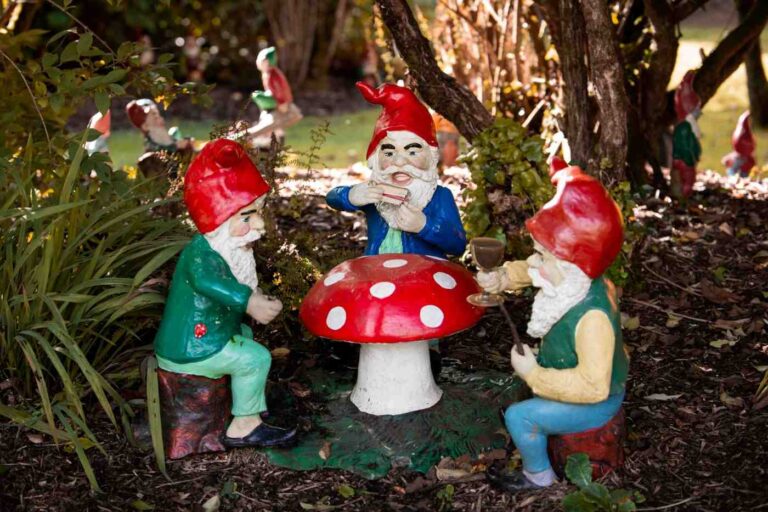
Garden gnomes trace back to German folklore, where small bearded figures were believed to live underground and protect the earth, crops, and treasure. The decorative version we know today emerged in 19th-century Germany, when terracotta figures were first placed in gardens as guardians of the land and symbols of good fortune. The trend spread across Europe through the 20th century, became a fixture of British gardens in particular, and eventually crossed over into North American suburban yards as mass-produced plastic and resin versions.
For a long time, that mass production is exactly what gave gnomes their “cheesy” reputation – cheap plastic, garish paint jobs, and the sense that they were more gag gift than genuine decor. What’s happening now feels like a bit of a return to their original spirit: thoughtfully made, characterful pieces rather than something you’d find abandoned in a big-box store clearance bin.
Why Do People Put Gnomes in Their Gardens?
Garden gnomes have always been more than decorative ornaments. Traditionally, they were believed to protect gardens, watch over crops, and bring good fortune to the household. According to German folklore, these small bearded figures lived underground and acted as guardians of the land, making them a natural symbol for gardens where people hoped for healthy plants and abundant harvests.
Today, the reasons are much more practical and personal. Many gardeners use gnomes to create a focal point, add personality to flower beds, or make an outdoor space feel more welcoming. A well-placed gnome can break up large planting areas, draw attention to a favorite garden feature, or simply bring a smile to visitors.
For some homeowners, garden gnomes also carry sentimental value. They may remind them of a parent’s garden, a grandparent’s landscaping traditions, or childhood memories of spending time outdoors. Others enjoy collecting unique designs as a hobby, treating them like miniature works of garden art rather than novelty decorations.
Whether chosen for symbolism, nostalgia, or simply because they add character, today’s garden gnomes have become a way for gardeners to express their own style while creating outdoor spaces that feel warm, lived-in, and uniquely their own.
Why Are Garden Gnomes Suddenly Trending Again?
A few things are converging at once:
- Nostalgia is back in garden design. Gardeners are gravitating toward old-fashioned, easy-care plants and decor with a sentimental feel – think hydrangeas, marigolds, and irises alongside classic lawn ornaments. Gnomes fit right into that wave of “comfort nostalgia” that’s shaping outdoor spaces this year.
- Retailers are refreshing the design. Part of the renewed appeal comes down to updated designs. Retailers have been releasing gnomes with more character, better craftsmanship, and playful new takes on the classic look, which has broadened their appeal well beyond the “kitschy grandma decor” reputation they used to carry.
- Social platforms are turning yard decor into content. Whimsical, photogenic yard objects – gnomes included – do well on TikTok and Instagram, where “cottagecore” and “grandmillennial” aesthetics have made intentionally old-fashioned decor cool again.
- Gardens are becoming personal, not just pretty. There’s a broader shift toward treating outdoor spaces as personal, experience-driven areas rather than purely functional ones – a place to express individual taste rather than just grow tomatoes. A gnome, oddly enough, is one of the easiest ways to inject personality into a garden without a full redesign.
- Collecting culture. Gnomes have quietly built the same kind of appeal as other “collectible” decor objects – people don’t just buy one; they start hunting for specific designs, limited runs, or handmade versions, which keeps search interest climbing.
Garden centers and online retailers have also responded to growing demand by expanding their collections beyond the traditional red-hat design. Today’s shoppers can choose from rustic stone-look gnomes, handcrafted artisan pieces, solar-powered models, and contemporary minimalist designs that blend naturally into modern landscapes. This wider variety has made garden gnomes appealing to homeowners who may never have considered them in the past.
Are Garden Gnomes Still Popular in 2026?
The short answer is yes. Garden gnomes are no longer seen as outdated lawn ornaments but as part of a broader shift toward nostalgic, personality-driven garden design. Search interest has increased by 397% year over year, reflecting renewed curiosity among homeowners looking to make their outdoor spaces feel more welcoming and unique.
Unlike short-lived decorating fads that disappear after a season, garden gnomes fit into several long-term landscaping trends. Cottagecore gardens, wildlife-friendly planting, vintage-inspired décor, and whimsical outdoor spaces have all gained popularity in recent years. Because gnomes complement these styles so naturally, they’re benefiting from a wider movement rather than creating one on their own.
Another reason for their staying power is affordability. Unlike expensive hardscaping projects or major landscape renovations, adding a quality garden gnome is an inexpensive way to refresh a garden without changing the overall design. For many homeowners, it’s an easy upgrade that adds personality with very little effort.
While search trends may fluctuate over time, the broader movement toward gardens that reflect personal style suggests that well-designed garden gnomes are likely to remain a popular decorative choice for years to come.
Is the Garden Gnome Trend Here to Stay, or Just a Moment?
It’s worth separating hype from staying power. Nostalgic, low-maintenance garden elements – plants and decor alike – have shown consistent, multi-year growth rather than a single-season spike, which suggests this isn’t a one-off TikTok fad. That said, trend-driven purchases, especially ones tied to a specific viral aesthetic, can cool off faster than they heat up.
My honest take: if you actually like the look, it’s a low-cost, low-risk way to update your garden, and it’s the kind of decor that ages fine even if the trend fades – nobody’s going to be embarrassed by a well-made gnome in five years the way they might be by a trendy plastic lawn flamingo. If you’re buying purely because it’s trending, it may not hold your interest past next season.

Types of Garden Gnomes You'll Actually Want to Consider
Classic Resin Garden Gnomes
The most common choice for homeowners, resin gnomes are lightweight, weather-resistant, and available in hundreds of traditional and modern designs. High-quality resin models can withstand rain, sun, and frost while maintaining their color for years.
Stone or Stone-Composite Gnomes
These premium designs offer the appearance of carved stone without the excessive weight. They work particularly well in naturalistic landscapes, woodland gardens, and cottage-style borders where a subtle, aged look is preferred.
Ceramic Garden Gnomes
Ceramic gnomes often feature intricate hand-painted details and vibrant colors, making them excellent focal points near patios, entrances, or covered porches. In colder climates, they may need to be brought indoors during freezing weather to prevent cracking.
Solar Garden Gnomes
One of the fastest-growing categories in recent years, solar-powered gnomes include built-in LED lights that automatically illuminate pathways, flower beds, or patios after sunset. They combine decoration with practical outdoor lighting.
Fairy Garden Gnomes
Designed on a much smaller scale, these miniature figures are ideal for container gardens, fairy gardens, and small landscape displays. They pair beautifully with moss, miniature houses, and tiny pathways.
Handmade Artisan Gnomes
Locally crafted or handmade gnomes often feature unique expressions, textures, and finishes that mass-produced models can’t replicate. Although more expensive, they’re popular among collectors looking for one-of-a-kind garden décor.
If you’re someone who also deals with backyard critters getting into your beds, it’s worth pairing any new decor purchase with a quick check of what’s actually living in your soil – our guide to identifying common garden pests is a useful next read if that’s been an issue for you this season.
How to Style Garden Gnomes Without Looking Dated
The biggest mistake people make with gnomes is treating them like a punchline instead of a design element. A few things that have worked well in my own garden:
- Pick one focal gnome, not a family of ten. A single, well-placed gnome reads as intentional. A cluster reads as clutter.
- Give it a “job.” Tuck it near a bird bath, at the base of a trellis, or guarding a specific plant bed so it looks like part of the scene rather than an afterthought.
- Match the finish to your palette. Newer gnome designs come in muted stone, matte ceramic, and painted finishes that pair better with modern landscaping than the glossy plastic versions from decades past.
- Use scale intentionally. A larger, well-crafted gnome near a doorway reads as a statement piece; a tiny one lost in a big bed just looks forgotten.
- Pair with other nostalgic elements. Gnomes tend to look best alongside other “old-fashioned” trending choices, like marigolds or vintage-style plant supports, rather than ultra-minimalist landscaping. If you’re planning a bigger refresh this season, it’s worth browsing what other garden design trends are shaping 2026 before you settle on a final look, since gnomes tend to work best as one piece of a broader nostalgic theme rather than a standalone statement.
Seasonal Styling: Do Gnomes Work Year-Round?
One question I get a lot is whether gnomes are a spring/summer-only decoration. In my experience, they work best when they feel like a permanent fixture rather than a seasonal prop – swap the flowers around them through the year, but let the gnome itself stay put. That said, some gardeners lean into seasonal versions: a scarf or small hat swap for winter, tucked among evergreens, keeps the piece feeling intentional through the colder months instead of orphaned once the summer blooms fade.
A Few Things to Watch Out For
Not every gnome purchase goes smoothly, so a couple of practical notes:
- Material matters in extreme climates. Cheaper ceramic or ungazed terracotta can crack after a hard freeze if moisture gets trapped inside. Resin and weatherproofed stone composites hold up better if you’re in a colder zone.
- Color fading is common with painted plastic. If you want a gnome that keeps its look for years rather than one season, a hand-painted ceramic or naturally pigmented stone finish will hold color far longer under UV exposure than cheap painted plastic.
- Watch for AI-generated “fantasy” garden products. With so much garden content now circulating online, it’s worth double-checking that a gnome (or any garden product) you’re buying from an unfamiliar site is a real, physical item and not an AI-generated image being used to sell something that doesn’t exist – a growing issue across garden retail more broadly.
FAQ: Garden Gnomes, Answered
Why are garden gnomes trending in 2026?
Garden gnome searches are up 397% year-over-year, driven by a broader nostalgia wave in garden design, refreshed retailer designs, and their popularity as photogenic decor on social platforms like TikTok and Instagram.
Where do garden gnomes originally come from?
Garden gnomes originate from German folklore, where small bearded figures were believed to protect the land and bring good fortune. Decorative terracotta versions first appeared in German gardens in the 19th century before spreading across Europe and eventually into North American yards.
Are garden gnomes considered good luck?
Traditionally, yes – they were believed to protect gardens and bring good fortune to the household. Today, most people display them for decorative and sentimental reasons rather than superstition.
Where should you place a garden gnome?
Gnomes tend to look most intentional near a natural focal point – a bird bath, a flower bed, a trellis, or a garden entrance – rather than scattered randomly across the lawn. One well-placed gnome usually looks better than several.
Are garden gnomes going out of style, or in style, right now?
As of 2026, they’re solidly in style. Year-over-year search growth of 397% points to a genuine resurgence, part of a wider nostalgic shift in garden decor rather than a passing meme.
What’s a modern way to style a garden gnome so it doesn’t look tacky?
Choose a single, well-crafted gnome in a muted or matte finish, give it a clear “spot” in the garden, and pair it with other nostalgic elements like heirloom flowers rather than mixing it with a minimalist landscape style.
Do garden gnomes need special care?
Most modern gnomes are made from weather-resistant resin, ceramic, or stone composite and can stay outdoors year-round. In climates with hard freezes, it’s worth checking the material – some ceramic finishes can crack in extreme cold and are better brought indoors for winter.
Can garden gnomes fade in the sun?
Yes, especially cheaper painted plastic versions. Hand-painted ceramic or naturally pigmented stone finishes tend to hold their color much longer under sustained UV exposure.
Final Thought
I didn’t expect to become a gnome defender, but here we are. If you’ve got one collecting dust behind a shrub, this might be the year to bring it back into the light – literally. And if you’re gnome-curious but hesitant, starting with one well-placed piece is a low-stakes way to test the trend before going all in.
Have a gnome story or a design that’s working in your garden? Share it in the comments – I’d love to see how other readers are styling theirs.
About The Author

Mamta Sahney
Mamta Sahney is the founder of Daily Garden Guide and a content strategist specializing in research-driven gardening and home living content. She creates practical guides on raised bed gardening, plant care, pest control, landscaping, and seasonal gardening, helping home gardeners make informed decisions with clear, reliable advice.