
Seeing a garden snake in your yard can instantly trigger panic, especially if you are unsure whether the snake is harmless or dangerous. But surprisingly, most backyard snake encounters in the US involve non-venomous species that actually help control pests naturally.
The real problem is that many homeowners react impulsively, making dangerous mistakes that increase the risk of bites or repeated snake visits. Understanding garden snake behavior, learning proper garden snake identification, and knowing what not to do can help keep your family and pets safe.
According to the CDC Snake Safety Guide and National Geographic Snake Facts, most snakes avoid human interaction and prefer escaping rather than attacking.
This Daily Garden guide covers the top mistakes homeowners make after spotting snakes in backyard gardens and explains the safest ways to handle the situation.
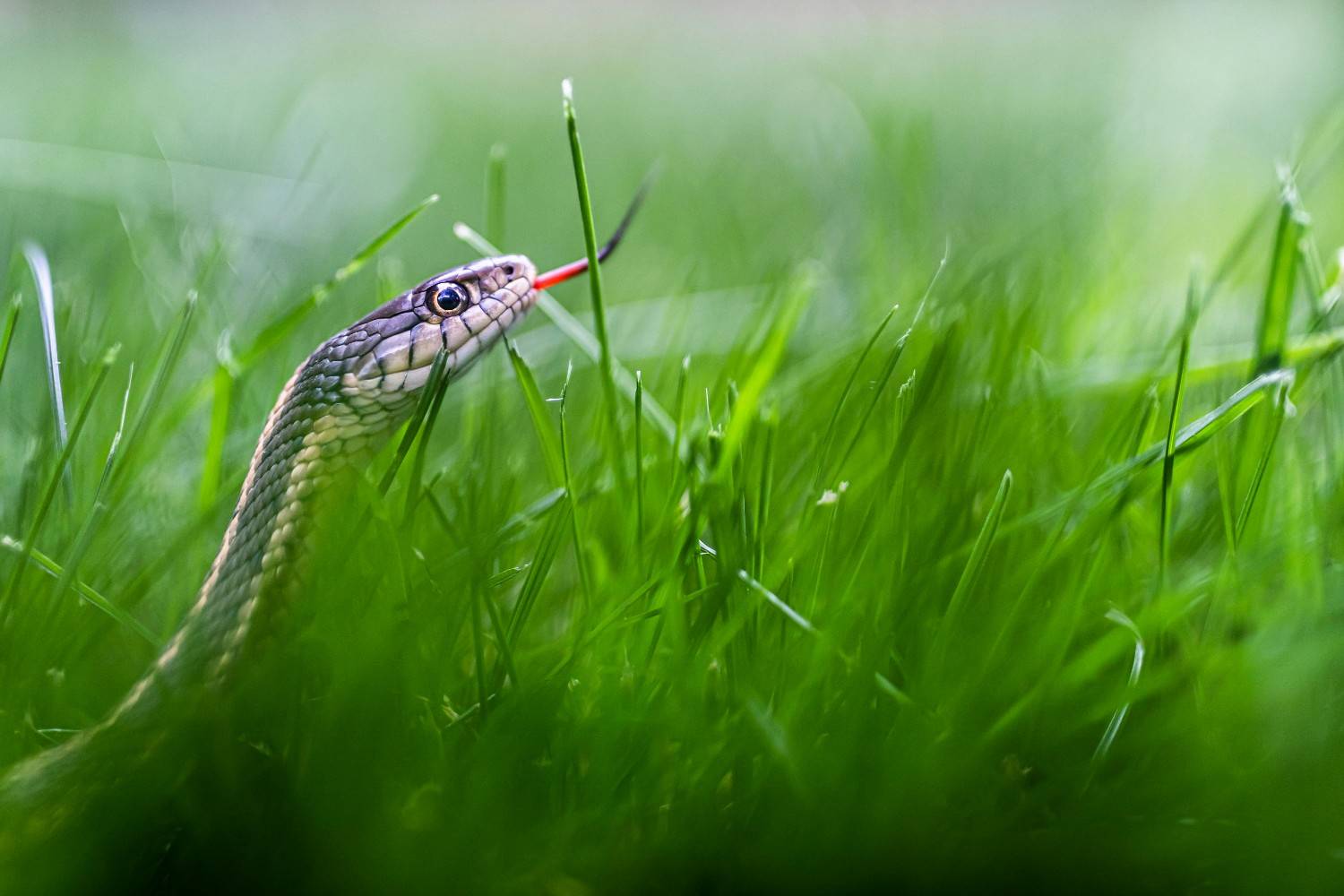
Why Garden Snakes Appear Around Homes
Before discussing mistakes, it helps to understand why a garden snake enters your yard in the first place.
What Attracts Snakes to Gardens?
Common attractors include:
- Tall grass
- Rodents and insects
- Standing water
- Compost piles
- Wood stacks
- Bird feeders
- Dense landscaping
Many harmless garden snakes enter backyards in search of food and shelter rather than seeking to interact with humans.
Attention Point:
Messy landscaping is one of the biggest hidden reasons homeowners repeatedly see snakes in backyard gardens.
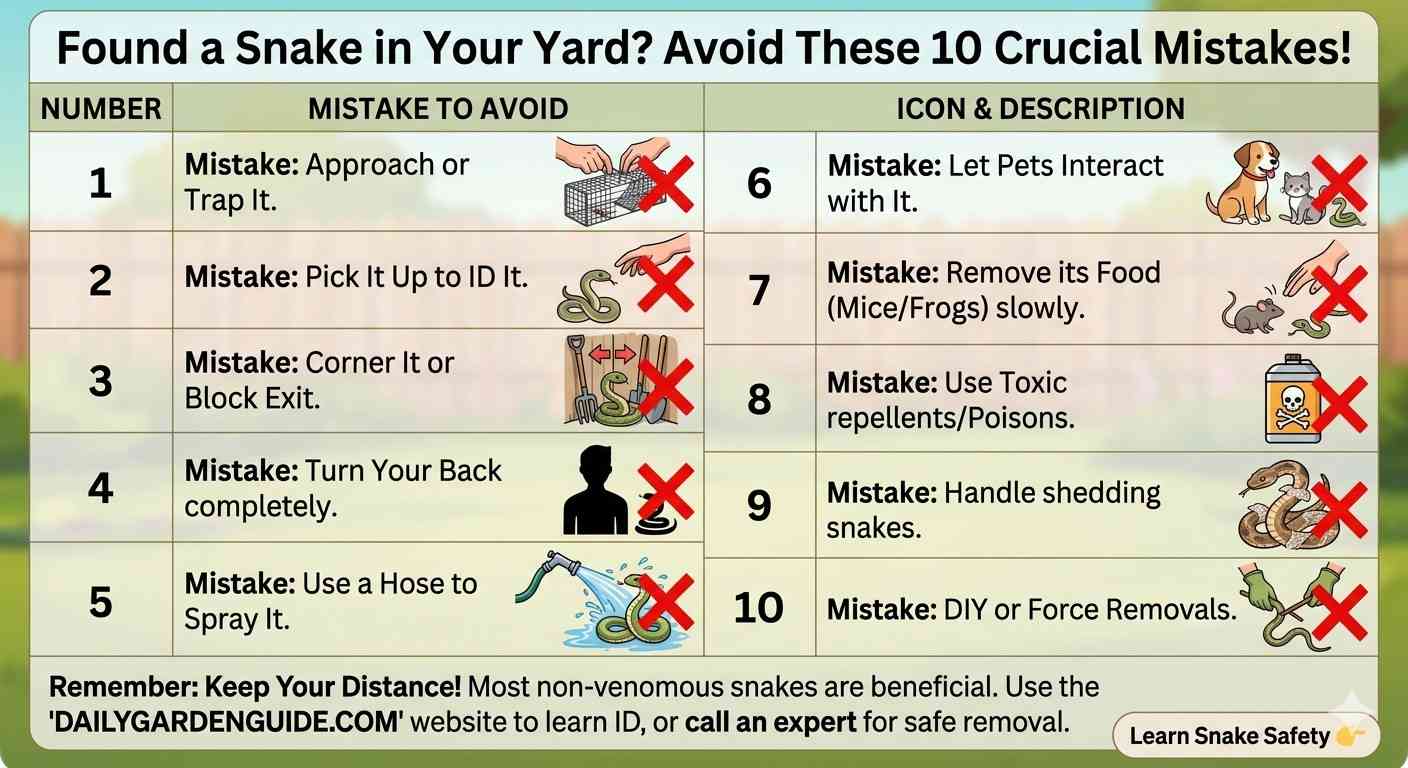
1. Trying to Kill the Snake Immediately
One of the biggest mistakes homeowners make is attempting to kill a garden snake with tools, sticks, or chemicals.
Why this is dangerous:
- Most snake bites happen during attempted attacks
- Injured snakes become defensive
- Many harmless species are protected in some areas
In many cases, snakes that eat garden pests are beneficial to your yard’s ecosystem.
Tip:
If the snake is simply passing through, the safest option is often to give it space to leave on its own.
2. Getting Too Close for Photos or Videos
Many people approach snakes too closely, trying to take pictures for social media or identification.
This increases the risk of:
- Defensive bites
- Stressing the animal
- Misjudging species behavior
Even harmless garden snakes may bite if cornered or threatened.
Instead:
- Zoom in from a safe distance
- Keep pets and children away
- Observe calmly
3. Assuming All Garden Snakes Are Dangerous
One of the most common misconceptions is believing every snake in the yard is venomous. Fear of garden snakes often stems from myths spread through movies, social media, and old backyard stories rather than actual wildlife facts. Many harmless garden snakes are misunderstood simply because people grow up hearing exaggerated warnings about them.
Wildlife experts from Wildlife SOS explain that snakes are among the most misunderstood reptiles in the world, and misinformation often leads to unnecessary panic or harm toward non-venomous species.
Myth #1: All Garden Snakes Are Dangerous
This is one of the most common misconceptions. In reality, most snakes found in backyard gardens across the US are harmless species, such as garter snakes, ribbon snakes, or rat snakes, which help control rodents and insects naturally.
Myth #2: Snakes Chase Humans
Snakes do not “hunt” people. Most snakes simply try to escape when they sense movement nearby. What many homeowners mistake as chasing is usually the snake trying to reach cover quickly.
Myth #3: Snakes Travel in Pairs for Revenge
This belief has existed for decades, but wildlife experts confirm that snakes do not seek revenge or track humans after another snake is harmed. Snakes lack the emotional and cognitive behavior required for this type of response.
Myth #4: Natural Snake Repellents Always Work
Many viral DIY repellents online are unreliable. While certain smells or landscaping changes may slightly reduce snake activity, the most effective long-term prevention remains habitat control, rodent reduction, and proper yard maintenance.
Common Harmless Garden Snakes in the US
| Snake Species | Venomous? | Garden Friendly? | Common Habitat |
| Garter Snake | No | Yes | Grass & gardens |
| Ribbon Snake | No | Yes | Near water |
| Rat Snake | No | Yes | Barns & backyards |
| Water Snake | No | Sometimes | Ponds & lakes |
| Copperhead | Yes | No | Wooded areas |
Learning how to identify garden snakes helps homeowners react more safely and rationally.
4. Ignoring Signs Your Yard Attracts Snakes
A single snake sighting may not be random.
Signs Your Yard May Attract Snakes
- Overgrown grass
- Rodent activity
- Mulch piles
- Outdoor clutter
- Bird seed buildup
- Unsealed gaps around sheds
These conditions create ideal hiding and hunting areas for common garden snake species.
Improving backyard wildlife safety starts with proper yard maintenance.
5. Using Harmful Chemical Snake Repellents
Many homeowners rush to buy aggressive chemical products without researching them first.
The problem:
- Some products are ineffective
- Others harm pets and beneficial wildlife
- Strong chemicals can damage gardens
Instead, focus on:
- Natural snake repellents
- Habitat prevention
- Eco-friendly gardening methods
Safer alternatives include:
- Motion sprinklers
- Clove oil sprays
- Snake-proof fencing ideas
- Yard cleanup strategies
6. Leaving Pet Food Outside Overnight
Outdoor pet food attracts rodents, which then attract larger snakes.
This is one of the most overlooked causes of repeated visits from garden snakes.
Tip:
If you regularly see snakes near patios or garages, check whether food or water sources are unintentionally attracting prey animals.
7. Reaching Into Hidden Areas Blindly
Never place your hands into:
- Wood piles
- Dense shrubs
- Compost bins
- Storage corners
- Rock crevices
This is especially important during warm months when snakes seek cool shaded areas.
Always wear gloves when gardening or landscaping.
8. Trying DIY Snake Removal Without Experience
Attempting to catch or relocate snakes yourself is risky.
Why DIY Snake Handling Can Be Dangerous
- Misidentification is common
- Snakes move unpredictably
- Venomous species can resemble harmless ones
If you are unsure about the species, contact:
- Professional snake removal service
- Wildlife removal near me providers
- Local animal control experts
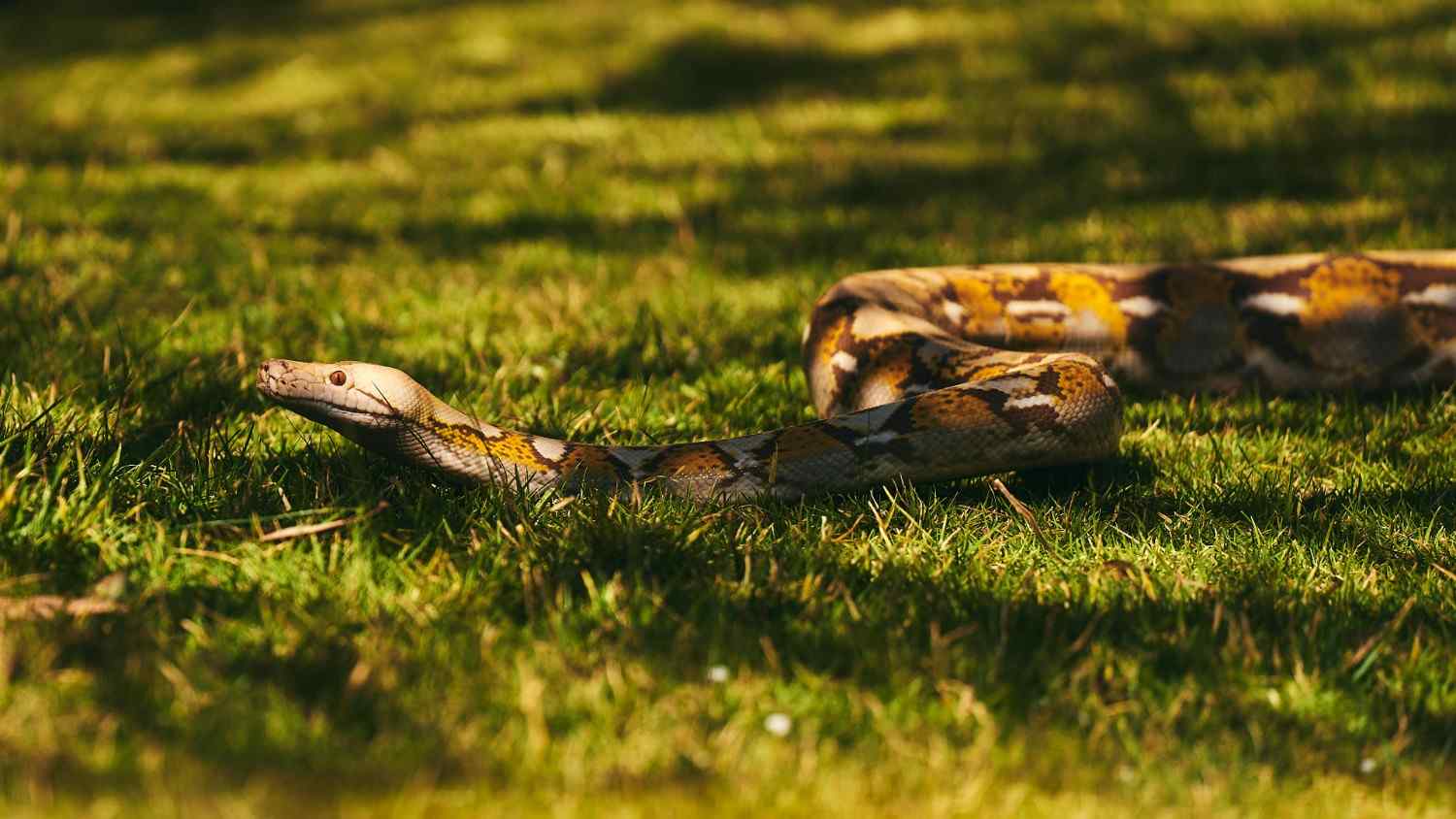
9. Ignoring Small Gaps Around Your Home
Garden snakes can enter garages, sheds, and crawl spaces through surprisingly small openings.
Areas to Inspect
- Garage door gaps
- Foundation cracks
- Vent openings
- Pipe entry points
- Deck spaces
Sealing these areas is one of the best ways to prevent garden snakes in the long term.
10. Panicking Instead of Staying Calm
Panic often leads to unsafe decisions.
Remember:
- Most snakes avoid humans
- Many are harmless garden snakes
- Sudden movements increase defensive behavior
The safest response is:
- Stay calm
- Back away slowly
- Observe from a distance
- Remove pets and children
- Contact professionals if necessary
Attention Point:
Many snake encounters end safely simply because homeowners provide the snake an escape route rather than trapping it.
Best Ways to Prevent Garden Snakes Naturally
If you want long-term prevention, focus on making your yard less attractive to snakes.
- Keep Grass Short
Tall grass creates hiding spots. - Remove Yard Clutter
Wood, debris, and rocks provide shelter. - Control Rodents
Rodents attract larger snakes quickly. - Install Snake-Proof Fencing
Mesh barriers can reduce access. - Use Natural Snake Repellents
Cinnamon oil and clove oil may help discourage activity.
These methods support natural pest control without harming beneficial wildlife.
FAQs
Are garden snakes dangerous?
Most garden snakes found in US backyards are harmless and non-venomous.
What attracts snakes to gardens?
Tall grass, rodents, standing water, mulch piles, and outdoor clutter commonly attract snakes.
Are small garden snakes poisonous?
Most small garden snakes are harmless, though proper identification is important.
How do you keep snakes away naturally?
Keeping yards clean, reducing hiding spots, and controlling rodents are the most effective methods.
What should I do if I cannot identify a snake?
Stay away and contact a professional wildlife removal service immediately.
Final Thoughts
Finding a garden snake in your yard does not always mean danger, but reacting incorrectly can quickly turn a harmless encounter into a risky situation.
By understanding garden snake identification, learning common homeowner mistakes, and improving backyard wildlife safety, you can protect your family while maintaining a healthier outdoor environment.
Whether you are dealing with garter snakes, ribbon snakes, or other common garden snake species, prevention and calm decision-making are always the smartest approach.
For more gardening tips, outdoor safety guides, and backyard inspiration, visit Daily Garden Guide and explore more expert garden advice today.
About The Author
