
The most effective natural pest control for vegetable gardens combines prevention, biological control, and targeted organic treatments, all without the need for chemical pesticides. Key strategies include companion planting, attracting beneficial insects, and utilizing floating row covers. Implementing neem oil, Bacillus thuringiensis (Bt), and insecticidal soap further enhances your pest management efforts. Additionally, practicing crop rotation and nurturing healthy soil significantly reduces common pests like aphids, cabbage worms, tomato hornworms, squash bugs, cucumber beetles, and slugs, while simultaneously protecting pollinators and beneficial insects. Embrace these methods for a thriving, healthy garden!
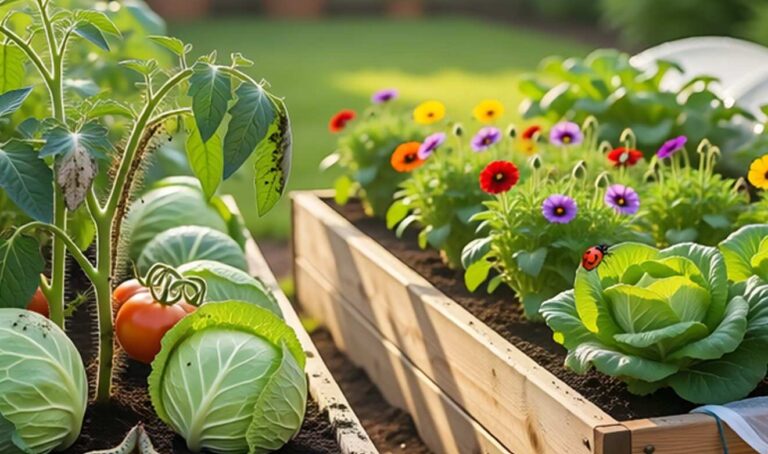
- Healthy soil and strong plants are your first line of defense against most garden pests.
- Identify the pest before treating it; organic solutions work best when matched to the right insect.
- Early detection prevents small infestations from becoming major outbreaks.
- Companion planting and beneficial insects provide long-term pest control with minimal effort.
- Neem oil controls soft-bodied insects, while Bt is most effective against caterpillars.
- Floating row covers protect young plants before pests have a chance to establish.
- Avoid spraying flowers to protect bees, butterflies, and other beneficial pollinators.
- Combining multiple natural methods delivers better results than relying on a single treatment.
Introduction
Entering your vegetable garden only to find damaged plants can be incredibly frustrating. While chemical pesticides may seem like a quick solution, they can harm pollinators, beneficial insects, and pets, as well as disrupt your garden’s health.
Fortunately, most common garden pests can be managed naturally. Healthy soil, regular monitoring, and beneficial insects, along with a few organic treatments, can provide effective long-term control without harming the ecosystem.
This Daily Garden guide will teach you 15 natural pest control methods, help you identify the best techniques for specific pests, and offer tips to establish an effective pest management routine that keeps your garden thriving.
In This Guide
- Why vegetable gardens attract pests
- How to identify common garden pests before treating them
- 15 natural pest control methods that actually work
- The best solution for different types of insects
- Seasonal pest prevention tips
- Common mistakes to avoid
- Frequently asked questions
- Trusted gardening resources
Why Trust This Guide
Successful organic pest control isn’t about eliminating every insect from your garden. It’s about creating a healthy growing environment where vegetables thrive, and pest populations remain manageable.
This guide is based on the principles of Integrated Pest Management (IPM)- an approach widely recommended by agricultural experts and U.S. Cooperative Extension programs. Rather than relying on routine spraying, IPM focuses on prevention, early detection, biological controls, and targeted treatments that minimize unnecessary pesticide use.
The recommendations in this guide also reflect practical strategies commonly used by home vegetable gardeners, helping you choose methods that are both effective and safe for pollinators, beneficial insects, pets, and the environment.
Why Vegetable Gardens Attract Pests
Every vegetable garden attracts insects. In fact, finding a few insects among your plants is perfectly normal. Problems usually begin when pest populations grow faster than natural predators can control them or when plants become stressed and vulnerable.
Several factors make vegetable gardens especially attractive to common pests:
Young, Tender Growth
Fresh leaves, stems, and seedlings are easier for insects to feed on than mature plant tissue. Aphids, flea beetles, and cabbage worms often target young plants because they’re softer and more nutritious.
Stressed Plants
Vegetables weakened by inconsistent watering, poor soil, overcrowding, or nutrient deficiencies are less able to defend themselves. Healthy plants can tolerate minor pest damage, while stressed plants often suffer more severe infestations.
Lack of Beneficial Insects
Ladybugs, lacewings, parasitic wasps, hoverflies, spiders, and ground beetles naturally keep many garden pests under control. Gardens with few flowering plants or excessive pesticide use often have fewer beneficial insects, allowing pest populations to increase.
Continuous Planting of the Same Crops
Growing tomatoes, cucumbers, squash, or brassicas in the same location year after year allows pests to establish themselves and return each season. Crop rotation helps interrupt their life cycle and reduces recurring infestations.
Warm, Humid Weather
Many common vegetable garden pests reproduce rapidly during warm weather. Aphids, whiteflies, spider mites, and squash bugs can multiply within days if left unmanaged, making regular garden inspections especially important during peak growing seasons.
The most effective organic pest control strategy isn’t waiting until plants are badly damaged; it’s spotting problems early and taking action before pest populations become difficult to manage. Tap here to learn more about how to make Pollinator gardens.
Identify the Pest Before You Treat It
One of the biggest mistakes gardeners make is treating every insect problem the same way. Different pests require different solutions, and using the wrong treatment wastes time while allowing damage to continue.
Use the table below to identify common vegetable garden pests and choose the right first step.
| If You Notice | Likely Pest | Commonly Affected Plants | Recommended First Step |
|---|---|---|---|
| Curled leaves with sticky residue | Aphids | Peppers, tomatoes, beans | Spray plants with a strong stream of water and inspect new growth. |
| Large holes in tomato leaves with dark droppings | Tomato hornworms | Tomatoes, peppers | Handpick hornworms immediately and check plants daily. |
| Ragged holes in cabbage or kale leaves | Cabbage worms | Cabbage, broccoli, kale | Inspect leaf undersides for eggs and apply Bt if needed. |
| Wilting squash vines with bronze-colored insects | Squash bugs | Squash, pumpkins, zucchini | Remove egg clusters and handpick adults early in the morning. |
| Tiny holes across leaves | Flea beetles | Eggplants, radishes, leafy greens | Protect young plants with floating row covers. |
| Chewed leaves with shiny slime trails | Slugs or snails | Lettuce, spinach, strawberries | Reduce excess moisture and install slug traps. |
| Yellowing leaves with tiny white insects flying up | Whiteflies | Tomatoes, cucumbers, peppers | Use yellow sticky traps and encourage beneficial insects. |
| Skeletonized leaves | Japanese beetles | Beans, grapes, raspberries | Handpick beetles in the early morning and monitor regularly. |
Expert Tip: Before applying any treatment, inspect both the upper and underside of leaves, stems, and the soil around the base of your plants. Many common garden pests lay eggs in hidden areas, and removing them early can stop a minor infestation from becoming a widespread problem.
15 Proven Natural Pest Control Methods That Actually Work
The most effective way to protect your vegetable garden isn’t relying on a single spray or homemade remedy. Successful organic gardeners combine preventive practices, beneficial insects, physical barriers, and targeted treatments to manage pests while protecting pollinators and maintaining a healthy garden ecosystem.
The following methods are organized from preventive techniques to active treatments, helping you build a long-term pest management strategy instead of reacting only after damage appears.
1. Companion Planting
Companion planting is one of the easiest ways to discourage pests naturally. Certain flowers and herbs attract beneficial insects, confuse harmful pests, or act as trap crops that draw insects away from your vegetables.
While companion planting won’t eliminate every pest problem, it creates a healthier garden ecosystem where beneficial insects help keep pest populations under control.
Why It Works
Many insects locate their favorite crops by scent. Strongly scented herbs and flowers can make it harder for pests to find vegetables, while nectar-rich flowers attract natural predators such as ladybugs, hoverflies, lacewings, and parasitic wasps.
Best Companion Plants
Plant | Helps Repel | Best Planted Near |
Marigolds | Aphids, nematodes, whiteflies | Tomatoes, peppers, beans |
Nasturtiums | Aphids, squash bugs (trap crop) | Cucumbers, squash, beans |
Basil | Thrips, mosquitoes | Tomatoes, peppers |
Dill | Aphids, cabbage worms | Cabbage, broccoli, kale |
Sweet Alyssum | Attracts hoverflies and ladybugs | Most vegetables |
Calendula | Aphids and whiteflies | Leafy greens and tomatoes |
Best For
- Tomatoes
- Cucumbers
- Squash
- Beans
- Peppers
- Brassicas
Common Mistake
Many gardeners expect companion planting to solve severe pest infestations on its own. It works best as part of a broader pest management strategy rather than a standalone solution.
Best Time to Use
Plant companion flowers at the same time as your vegetables so beneficial insects establish themselves early in the season.
Pollinator Safety
Completely safe and highly beneficial for bees, butterflies, and other pollinators.
2. Encourage Beneficial Insects
Not every insect in your vegetable garden is a pest. Some are your best allies.
Ladybugs, lacewings, hoverflies, parasitic wasps, ground beetles, and praying mantises feed on common garden pests throughout the growing season, often reducing infestations before they become serious.
A diverse garden with flowering plants usually supports a stronger population of beneficial insects than one that relies heavily on pesticides.
Why It Works
A single ladybug may consume dozens of aphids in a day, while lacewing larvae actively hunt aphids, whiteflies, mealybugs, and small caterpillars. Hoverfly larvae also feed on aphids, making these insects valuable natural predators.
Beneficial Insects and Their Prey
Beneficial Insect | Controls |
Ladybugs | Aphids, mites, scale insects |
Lacewings | Aphids, mealybugs, whiteflies |
Hoverflies | Aphids |
Parasitic Wasps | Tomato hornworms, cabbage worms |
Ground Beetles | Slugs, cutworms, caterpillars |
Praying Mantis | Various insects |
How to Attract Them
- Grow nectar-rich flowers such as dill, fennel, yarrow, cosmos, and alyssum.
- Leave small areas of mulch or ground cover for shelter.
- Avoid broad-spectrum insecticides that kill both pests and beneficial insects.
Common Mistake
Releasing purchased ladybugs into a garden without providing food or shelter often leads to them flying away within a day or two.
Best Time to Use
Throughout the growing season.
Pollinator Safety
Excellent. This method actively supports biodiversity.
3. Floating Row Covers
Floating row covers create a lightweight physical barrier that prevents insects from reaching young vegetable plants while still allowing sunlight, air, and water to pass through.
They are especially effective during the early growing season when seedlings are most vulnerable.
Why It Works
Many destructive insects lay their eggs directly on vegetable plants. Row covers prevent adult insects from reaching crops, breaking their life cycle before damage begins.
Best Against
- Cabbage worms
- Flea beetles
- Cucumber beetles
- Squash vine borers
- Leaf miners
Best Crops
- Cabbage
- Broccoli
- Kale
- Spinach
- Cucumbers
- Radishes
Common Mistake
Leaving row covers on flowering crops such as cucumbers and squash after blossoms appear can prevent bees from pollinating the flowers.
Best Time to Use
Immediately after planting or transplanting seedlings.
Remove covers temporarily during flowering if crops require insect pollination.
Pollinator Safety
Safe when managed correctly.
4. Keep Your Soil Healthy
Healthy plants naturally resist pests better than stressed plants.
Well-balanced soil improves root development, water retention, nutrient availability, and overall plant health, making vegetables less attractive to many common insects.
Healthy soil also supports beneficial microorganisms that contribute to a resilient garden ecosystem.
Why It Works
Plants growing in nutrient-rich, biologically active soil recover from insect damage more quickly and tolerate minor feeding without significant yield loss.
Ways to Improve Soil Naturally
- Add compost every season.
- Use shredded leaves or straw as mulch.
- Avoid excessive nitrogen fertilizer.
- Test soil pH every few years.
- Rotate crops regularly.
Common Mistake
Overfeeding vegetables with nitrogen often produces lush, tender foliage that attracts aphids and other sap-feeding insects.
Best Time
Improve soil before planting and continue adding organic matter throughout the growing season.
Pollinator Safety
Completely safe.
5. Inspect Your Garden Regularly
One of the simplest and most overlooked forms of natural pest control is regular observation.
Small infestations are far easier to manage than large ones. Spending just 10–15 minutes inspecting your vegetable garden each week allows you to catch problems before they spread.
What to Check
- Undersides of leaves
- New growth
- Flower buds
- Stems near the soil
- Signs of eggs or larvae
- Wilting or discolored leaves
Why It Works
Early detection often eliminates the need for stronger treatments later. Removing a few hornworms or squash bug egg clusters takes only minutes and can prevent extensive plant damage.
Common Mistake
Many gardeners focus only on damaged leaves. Always inspect healthy-looking plants as well, since eggs and newly hatched insects are often hidden before visible damage appears.
Best Time
Early morning or late evening, when many insects are less active and easier to spot.
You may like to read: Common Raised Garden Bed Pests and how to get rid of them naturally
Organic Treatment Methods for Active Pest Problems
Preventive gardening practices greatly reduce pest pressure, but no vegetable garden is completely immune to insects. When an infestation starts affecting plant health or crop production, targeted organic treatments can help restore balance without relying on harsh chemical pesticides.
The following methods are most effective when used only after correctly identifying the pest and monitoring the severity of the infestation.
6. Neem Oil
Neem oil is one of the most trusted organic pest control products for home vegetable gardens. Extracted from the seeds of the neem tree (Azadirachta indica), it disrupts insect feeding, growth, and reproduction rather than killing pests instantly.
Why It Works
Neem oil contains azadirachtin, a natural compound that interferes with the life cycle of many soft-bodied insects. Instead of acting like a conventional pesticide, it gradually reduces pest populations over several days.
Works Best Against
- Aphids
- Whiteflies
- Spider mites
- Mealybugs
- Young scale insects
- Leafhoppers
Suitable Crops
- Tomatoes
- Peppers
- Cucumbers
- Beans
- Eggplants
- Leafy greens
How to Apply
- Spray early in the morning or after sunset.
- Cover both the upper and lower surfaces of leaves.
- Repeat every 7–10 days if necessary.
When Not to Use It
Avoid spraying during the hottest part of the day or directly on open flowers where bees are actively foraging. Heat and direct sunlight may scorch leaves, while spraying blooms can affect pollinators.
Common Mistake
Applying neem oil as a preventive spray every few days. It works best when used only after pests are observed and according to the product label.
7. Bacillus thuringiensis (Bt)
Bt is a naturally occurring soil bacterium that specifically targets caterpillar larvae without harming people, pets, birds, or most beneficial insects.
It is one of the safest and most effective organic treatments for chewing caterpillars.
Why It Works
Once caterpillars consume Bt-treated leaves, the bacteria stop them from feeding. The pests die naturally within a few days while leaving pollinators and beneficial insects largely unaffected.
Works Best Against
- Tomato hornworms
- Cabbage worms
- Loopers
- Armyworms
- Cutworms (young larvae)
Suitable Crops
- Tomatoes
- Cabbage
- Kale
- Broccoli
- Brussels sprouts
- Peppers
How to Apply
Spray leaves thoroughly, especially the undersides where caterpillars often feed. Reapply after heavy rainfall if needed.
When Not to Use It
Bt does not control aphids, whiteflies, spider mites, beetles, or squash bugs. It is only effective against caterpillar larvae.
Common Mistake
Waiting until plants are heavily damaged before applying Bt. It performs best when caterpillars are still small.
8. Insecticidal Soap
Insecticidal soap is an excellent solution for soft-bodied insects that gather on leaves and stems.
Unlike chemical pesticides, it works through direct contact rather than leaving long-lasting residues.
Why It Works
The soap breaks down the protective outer layer of soft-bodied insects, causing dehydration. Because it acts on contact, thorough coverage is essential.
Works Best Against
- Aphids
- Whiteflies
- Thrips
- Spider mites
- Mealybugs
Suitable Crops
Safe for most vegetables when used according to label directions.
How to Apply
Spray directly onto insects until the affected areas are thoroughly covered. Repeat every 5–7 days if populations remain high.
When Not to Use It
Avoid spraying drought-stressed plants or applying during high temperatures, as leaf burn may occur.
Common Mistake
Spraying only the tops of leaves. Most pests hide underneath foliage, so both sides should be treated.
9. Diatomaceous Earth
Food-grade diatomaceous earth (DE) is a natural powder made from fossilized algae. It provides a chemical-free way to control crawling insects.
Why It Works
The fine particles damage the protective outer coating of insects, causing them to lose moisture and eventually die.
Works Best Against
- Slugs
- Snails
- Flea beetles
- Earwigs
- Ants
- Cutworms
Suitable Crops
Around nearly all vegetable plants.
How to Apply
Lightly dust dry soil and the base of plants. Reapply after rainfall or overhead watering.
When Not to Use It
Avoid applying directly to flowers where pollinators are active. Wet conditions also reduce its effectiveness.
Common Mistake
Using excessive amounts. A light, even application is more effective than thick piles of powder.
10. Homemade Garlic and Chili Spray
A garlic and chili spray can temporarily repel certain chewing and sap-feeding insects without leaving harmful chemical residues.
While it won’t eliminate established infestations, it can discourage pests from feeding on vulnerable plants.
Why It Works
Strong-smelling garlic combined with capsaicin from chili peppers creates an unpleasant environment for many insects.
Works Best Against
- Aphids
- Beetles
- Whiteflies
- Leaf-feeding insects
Simple Homemade Recipe
Mix:
- 2 garlic bulbs
- 2 hot chili peppers
- 1 liter of water
Blend thoroughly, strain the mixture, and add a few drops of mild liquid soap to help it stick to leaves. Spray only after testing on a small section of the plant to ensure there is no leaf damage.
When Not to Use It
Do not spray during hot, sunny afternoons or immediately before rainfall.
Common Mistake
Assuming homemade sprays are harmless simply because they’re natural. Overly concentrated mixtures can damage plant foliage, so always test before widespread application.
Long-Term Natural Pest Control Methods
Organic gardening isn’t just about treating pest outbreaks; it’s about creating conditions where pests are less likely to become a serious problem in the first place. These next five methods focus on prevention and sustainable gardening practices that improve plant health year after year.
11. Practice Crop Rotation
Growing the same vegetables in the same location every season encourages pests and soil-borne diseases to build up. Crop rotation breaks their life cycle by moving plant families to different areas of the garden each year.
Why It Works
Many insects overwinter in the soil near their preferred host plants. When those crops are planted in a new location, pests have a harder time finding food and completing their life cycle.
Works Best Against
- Cabbage worms
- Cucumber beetles
- Colorado potato beetles
- Root maggots
- Cutworms
How to Practice Crop Rotation
Instead of planting tomatoes in the same bed every year, rotate them with beans, leafy greens, or root vegetables. Aim for a three- to four-year rotation for crops within the same plant family.
Common Mistake
Rotating only individual crops instead of entire plant families. Tomatoes, peppers, and eggplants all belong to the nightshade family and share many of the same pests.
Best Time to Start
Plan your crop rotation before each growing season.
Also read: Common tomato plant problems and solutions
12. Grow Trap Crops
Trap crops attract pests away from your main vegetables, reducing damage without relying on pesticides.
Why It Works
Certain plants are more attractive to insects than your vegetable crops. Pests feed on these sacrificial plants first, making them easier to monitor and control.
Popular Trap Crops
Trap Crop | Attracts | Helps Protect |
Nasturtiums | Aphids | Tomatoes, peppers, beans |
Blue Hubbard squash | Squash bugs, squash vine borers | Zucchini and pumpkins |
Mustard greens | Flea beetles | Brassicas |
Sunflowers | Stink bugs | Mixed vegetable gardens |
Best Practice
Plant trap crops around the edges of your vegetable garden rather than directly between vegetables.
Common Mistake
Ignoring trap crops after planting. They still need regular inspection and occasional removal if pest populations become excessive.
13. Water Plants Correctly
Improper watering weakens vegetables, making them more attractive to insects and increasing the risk of fungal diseases.
Why It Works
Healthy, well-hydrated plants recover more quickly from insect feeding and produce stronger natural defenses against pests.
Best Watering Practices
- Water deeply rather than frequently.
- Water early in the morning.
- Keep leaves as dry as possible.
- Use drip irrigation or soaker hoses whenever possible.
- Apply mulch to maintain consistent soil moisture.
Common Mistake
Frequent shallow watering encourages weak root systems and creates humid conditions that favor both pests and diseases.
Best Time
Early morning.
14. Use Yellow Sticky Traps
Sticky traps provide a simple, chemical-free way to monitor and reduce flying insect populations.
Why It Works
Many flying insects are naturally attracted to the bright yellow color and become trapped before they can reproduce.
Works Best Against
- Whiteflies
- Fungus gnats
- Leaf miners
- Aphids (winged adults)
- Thrips
Where to Place Them
Position traps slightly above plant height near crops that are prone to infestations. Replace them when the adhesive surface becomes full.
Common Mistake
Relying on sticky traps alone to solve severe infestations. They work best as a monitoring tool combined with other organic methods.
15. Keep Your Garden Clean
Good garden hygiene is one of the most overlooked forms of natural pest control.
Dead leaves, fallen fruit, weeds, and old plant debris provide shelter for insects, disease organisms, and overwintering eggs.
Why It Works
Removing pest hiding places reduces the number of insects that survive from one season to the next.
Good Garden Sanitation Includes
- Remove diseased leaves promptly.
- Pull weeds regularly.
- Harvest ripe vegetables on time.
- Clean up fallen fruit.
- Remove heavily infested plants if necessary.
- Clear plant debris at the end of the growing season.
Common Mistake
Leaving old tomato vines, squash stems, or cabbage plants in the garden over winter, allowing pests to survive until spring.
Best Time
Make garden cleanup part of your weekly routine throughout the growing season and perform a thorough cleanup before winter.
Which Natural Pest Control Method Works Best?
Every vegetable garden is different, and no single method solves every pest problem. The best results come from combining preventive practices with targeted treatments when needed.
| Method | Best For | Cost | Difficulty | Pollinator Safe |
|---|---|---|---|---|
| Companion Planting | Preventing pests naturally | Low | Easy | Yes |
| Beneficial Insects | Long-term pest control | Low | Easy | Yes |
| Floating Row Covers | Protecting seedlings | Medium | Easy | Yes* |
| Healthy Soil | Overall plant health | Low | Easy | Yes |
| Regular Inspections | Early detection | Free | Easy | Yes |
| Neem Oil | Soft-bodied insects | Low | Easy | Use Carefully |
| Bt | Caterpillars | Low | Easy | Yes |
| Insecticidal Soap | Aphids & Whiteflies | Low | Easy | Yes (When Dry) |
| Diatomaceous Earth | Crawling insects | Low | Easy | Avoid Flowers |
| Garlic & Chili Spray | Light infestations | Very Low | Easy | Use Carefully |
| Crop Rotation | Seasonal prevention | Free | Moderate | Yes |
| Trap Crops | Diverting pests | Low | Moderate | Yes |
| Proper Watering | Plant health | Free | Easy | Yes |
| Sticky Traps | Monitoring flying insects | Low | Easy | Yes |
| Garden Sanitation | Preventing future outbreaks | Free | Easy | Yes |
* Remove floating row covers during flowering for crops that require insect pollination.
easonal Natural Pest Control Checklist
Different pests become active at different times of the growing season. Following a seasonal routine helps prevent problems before they begin.
| Season | Recommended Actions |
|---|---|
| Early Spring | Build healthy soil with compost, rotate crops, install floating row covers, and plant companion flowers before pest populations increase. |
| Late Spring | Inspect plants weekly, monitor young seedlings for early pest activity, and encourage beneficial insects by providing nectar-rich flowers. |
| Summer | Watch for aphids, tomato hornworms, squash bugs, cucumber beetles, and whiteflies. Apply targeted organic treatments only when pest populations reach damaging levels. |
| Early Fall | Remove declining plants, harvest crops regularly, and prune or discard heavily damaged foliage to reduce overwintering pests. |
| Late Fall | Clear plant debris, compost only healthy material, rotate planting areas, and enrich the soil to prepare for next season. |
Weekly 15-Minute Pest Inspection Checklist
Spending just a few minutes each week checking your plants can prevent small problems from becoming major infestations.
Use this simple routine:
- Inspect the undersides of leaves for eggs or insects.
- Look for holes, yellowing leaves, or sticky residue.
- Remove weeds growing close to vegetables.
- Harvest ripe vegetables promptly.
- Check sticky traps for increased insect activity.
- Remove damaged leaves and fallen fruit.
- Water deeply if rainfall has been limited.
- Record any recurring pest problems to help plan next season.
Regular observation is often the most effective form of natural pest control because it allows you to act before pests spread throughout the garden.
Common Mistakes to Avoid When Using Natural Pest Control
Natural pest control is highly effective when used correctly. However, a few common mistakes can reduce its success or even make pest problems worse. Avoiding these pitfalls will help you protect your vegetables while maintaining a healthy garden ecosystem.
1. Treating Every Insect as a Pest
Not all insects damage vegetable plants. Ladybugs, lacewings, hoverflies, ground beetles, and parasitic wasps naturally feed on aphids, caterpillars, and other destructive pests.
Before applying any treatment, identify the insect to avoid eliminating beneficial species that help keep your garden healthy.
2. Waiting Too Long to Take Action
A few aphids or caterpillars may not seem like a problem, but many common garden pests reproduce quickly during warm weather.
Inspect your garden at least twice a week and address small infestations before they spread.
3. Spraying Neem Oil in Direct Sunlight
Neem oil should be applied early in the morning or late in the evening.
Spraying during hot afternoons may scorch leaves and reduce the product’s effectiveness.
4. Ignoring the Underside of Leaves
Many pests, including aphids, whiteflies, spider mites, and cabbage worms, hide and lay eggs underneath leaves.
Always inspect both sides of foliage before deciding which treatment to use.
5. Overusing Homemade Sprays
Natural doesn’t always mean harmless.
Garlic, chili, vinegar, or soap sprays that are too concentrated can damage vegetable plants. Always test homemade solutions on a few leaves before treating the entire plant.
6. Depending on One Method Alone
No single organic treatment controls every pest.
The best results come from combining healthy soil, companion planting, beneficial insects, regular monitoring, and targeted treatments when necessary.
7. Forgetting About Pollinators
Bees and butterflies are essential for many vegetable crops.
Avoid spraying any product directly on open flowers or when pollinators are actively visiting your garden.
8. Leaving Garden Debris Behind
Dead plants, weeds, and fallen fruit often become overwintering sites for insects and diseases.
Cleaning up your garden at the end of the season helps reduce pest problems the following year.
Frequently Asked Questions
What is the best natural pest control for vegetable gardens?
The most effective approach combines preventive gardening practices with targeted organic treatments. Healthy soil, companion planting, beneficial insects, floating row covers, and regular inspections help prevent infestations, while neem oil, Bt, insecticidal soap, and diatomaceous earth can control specific pests when needed.
How can I keep bugs off my vegetable plants naturally?
Inspect plants regularly, encourage beneficial insects, grow companion flowers, rotate crops each season, and use physical barriers like floating row covers. When pests appear, choose an organic treatment based on the specific insect rather than spraying everything.
Is neem oil safe for vegetable gardens?
Yes. When used according to label directions, neem oil is considered safe for edible vegetable gardens. Wash vegetables before eating, avoid spraying during the hottest part of the day, and do not apply directly to flowers where pollinators are active.
What insects are beneficial in a vegetable garden?
Ladybugs, lacewings, hoverflies, parasitic wasps, praying mantises, and ground beetles naturally feed on many common garden pests and help reduce the need for pesticides.
What is the safest organic pesticide for vegetables?
Products such as insecticidal soap, neem oil, Bacillus thuringiensis (Bt), and food-grade diatomaceous earth are commonly used in organic vegetable gardening. The best choice depends on the pest you are trying to control.
Does vinegar kill vegetable garden pests?
Household vinegar is primarily a weed killer rather than an insecticide. Spraying vinegar directly on vegetable plants can damage foliage, so it is generally not recommended as a pest control solution.
Can coffee grounds repel garden pests?
Coffee grounds may help discourage some slugs and snails, but research shows they are not a reliable solution for most garden pests. They are best used as compost ingredients or mulch rather than a primary pest control method.
How often should I inspect my vegetable garden for pests?
During the growing season, inspect your garden at least two or three times each week. Regular monitoring allows you to remove insects or eggs before populations become difficult to control.
What attracts aphids to vegetable gardens?
Aphids are attracted to tender new growth, excess nitrogen fertilizer, and stressed plants. Maintaining healthy soil, watering consistently, and encouraging beneficial insects can help reduce infestations.
Is diatomaceous earth safe around pets?
Food-grade diatomaceous earth is generally considered safe around pets when used as directed. However, avoid inhaling the fine dust during application and keep it dry for maximum effectiveness.
Do companion plants really keep pests away?
Companion planting can reduce pest pressure by attracting beneficial insects and confusing certain pests. While it isn’t a complete solution, it works well as part of an integrated organic pest management strategy.
Can I use natural pest control on raised beds?
Yes. Raised beds benefit from the same natural pest control methods as traditional gardens, including crop rotation, companion planting, beneficial insects, row covers, and organic treatments.
Should I remove plants with severe pest damage?
If a plant is heavily infested and unlikely to recover, removing it may prevent pests from spreading to nearby vegetables. Dispose of severely affected plants rather than composting them if pests or diseases are present.
What is the easiest natural pest control method for beginners?
Regular garden inspections combined with companion planting and encouraging beneficial insects are simple, affordable, and highly effective starting points for new gardeners.
Can I eliminate pests from my vegetable garden?
Probably no, and that’s okay. A healthy garden naturally contains a balance of insects. The goal of natural pest control is to keep pest populations below damaging levels while protecting beneficial insects and pollinators.
Final Thoughts
Every vegetable garden will experience occasional pest problems, but healthy gardens rarely suffer from severe infestations. By focusing on prevention, monitoring plants regularly, and using targeted organic treatments only when necessary, you can grow productive vegetables while protecting pollinators, improving soil health, and reducing the need for chemical pesticides.
Instead of relying on a single solution, build a layered pest management strategy. Healthy soil, diverse plantings, beneficial insects, and timely intervention work together to create a resilient garden that naturally keeps pests under control.
Start with the basics, observe your plants often, and choose the least disruptive solution that addresses the problem. Over time, you’ll spend less time fighting pests and more time harvesting healthy, productive vegetables.
References
Support your recommendations with trusted, research-based resources such as:
- University of California Agriculture and Natural Resources – Integrated Pest Management (UC IPM)
- Cornell Cooperative Extension
- USDA National Institute of Food and Agriculture
- Oregon State University Extension Service
- Clemson Cooperative Extension
- University of Minnesota Extension
- Penn State Extension
About The Author

Mamta Sahney
Mamta Sahney is the founder of Daily Garden Guide and a content strategist specializing in research-driven gardening and home living content. She creates practical guides on raised bed gardening, plant care, pest control, landscaping, and seasonal gardening, helping home gardeners make informed decisions with clear, reliable advice.