
🌿 Key Takeaways
- Start small—even a few pots can attract pollinators
- Mix native plants with easy bloomers like marigold and zinnia
- Plant in clusters to attract more bees and butterflies
- Avoid pesticides for a healthier ecosystem
- Add a shallow water source to keep pollinators coming back
Pollinator gardens are among the most searched-for home gardening topics in the United States, and with good reason. Bees, butterflies, and other pollinating insects and birds are vital for food production, healthy ecosystems, and nearly everything living, but their numbers have plummeted so quickly that we now recognize them as a linchpin of life. The good news? You don’t need acres of land or a green thumb to lend a hand. Indeed, real homeowners across the US are planting pollinator-friendly gardens in their backyards, front yards, balconies, and even containers.
This Daily Garden Guide provides informative answers to frequently asked questions, such as “how to create a pollinator garden,” “what plants attract pollinators,” and “how to start a pollinator garden at home,” with easy, real-world tips.
—🌼 What Is a Pollinator Garden?
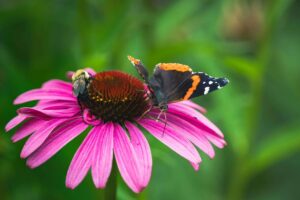
A pollinator garden is a garden that provides food and habitat for bees, butterflies, hummingbirds, beetles, and other beneficial, but often underappreciated, insects. These gardens provide: The flowering of nectar and pollen plants Shelter and resting areas A pesticide-free environment Pollinator gardens can be decorative, edible, or a combination of the two.
- Nectar-rich flowering plants
- Shelter and resting spots
- Chemical-free environment
🌿 Why Pollinator Gardens Matter
Pollinators help plants to reproduce. Indeed, a third of the food Americans consume depends on pollinators. Three Key reasons why pollinator gardens are important: Help bee and butterfly populations at risk Increase fruit and vegetable yields Promote biodiversity Building more sustainable, resilient gardens A small pollinator garden can help in meaningful ways. If you’re just getting started with plants, you might also find our guide on the best low-maintenance Indoor Plants for Small Apartments in 2026 helpful for choosing easy-care options.
- Support declining bee and butterfly populations
- Improve fruit and vegetable yields
- Promote biodiversity
- Create a healthier garden ecosystem
🛠️ How to Make a Pollinator Garden at Home (Step-by-Step)
You don’t need to design an entire landscape to create a pollinator garden. Many homeowners start small and grow their homes over time.
| Step | What to Do | Benefit | Beginner Tip |
|---|---|---|---|
| Choose Plants | Use marigold, lavender, zinnia | Attracts pollinators | Start with 3–4 plants |
| Plant in Groups | Cluster same plants | Easier to find | Avoid single pots |
| Sunlight | 6–8 hours sunlight | Better blooms | Use sunny corners |
| Avoid Chemicals | No pesticides | Protect pollinators | Use neem oil |
| Water Source | Add shallow bowl | Keeps them returning | Change water often |
☀️ Step 1: Choose the Right Location
- 6–8 hours of sunlight
- Protected from strong winds
- Works in balconies, yards, or containers
🌸 Step 2: Choose Native & Pollinator-Friendly Plants
Best pollinator plants:
- Milkweed
- Coneflower
- Bee balm
- Lavender
🌼 Step 3: Plan for Continuous Blooming
- Spring: Flowering trees
- Summer: Lavender, milkweed
- Fall: Asters, sunflowers
🚫 Step 4: Avoid Pesticides
💧 Step 5: Add Water & Shelter
- Shallow bowls with stones
- Birdbaths
- Leaf litter for shelter
🌱 Can You Create a Pollinator Garden in Small Spaces?
Yes. Pollinator gardens can excite the senses in limited spaces. Pollinator Gardening in Containers Container-friendly pollinator plants include:
- Lavender
- Basil
- Zinnias
- Nasturtiums
- Dwarf milkweed
—
REAL-PERSON POLLINATOR GARDENING TIPS
Throughout the US, home gardeners are reporting similar experiences:
- “Begin with just a handful of native plants.
- “Butterflies showed up sooner than I thought they would.”
- “Once set up, the garden is very easy to take care of.”
- “My vegetable production has clearly increased.” The most common advice? Start small and stay consistent.
How Quickly Do Pollinators Arrive?
Bees, especially, are pollinators that many gardeners see within weeks of planting. It will take a little longer for butterflies and birds, depending on: Plant maturity Seasonal timing Local pollinator populations Pollinator gardens only get better as they become established.
Mistakes to Avoid When Creating a Pollinator Garden
Planting only non-native ornamentals Using pesticides “just once.” Forgetting fall-blooming plants Over-mulching and removing shelter Expecting instant results Pollinator gardening is not about perfection, but about long-term support.How to Make A Pollinator Garden At Your Home
Pollinator gardens do more than just benefit the environment. Key benefits include:- Healthier flowers and vegetables
- Increased garden productivity
- Reduced pest problems naturally
- Beautiful, lively outdoor spaces
- Supporting local ecosystems
Is a Pollinator Garden Right for Every US Region?
Yes. Pollinator Gardens can be modified to include:
- Cold climates
- Hot and dry regions
- Humid areas
- Urban and suburban settings
The secret is selecting native, regionally appropriate plants.
Takeaways
To support nature and add value to your outdoor space, one of the easiest things you can do is create a pollinator garden in your backyard. With native plants, no chemicals, and flowers in every season, anyone can have a garden that invites bees, butterflies, and birds. Whether you begin with a single pot or a whole yard, your tiny pollinator garden will become an active living space that supports your health and the health of the environment.
About The Author
