
Introduction
Mornings are busy, and breakfast is often the first thing people skip.
But here’s the problem: skipping breakfast or choosing low-nutrient foods can leave you feeling tired, unfocused, and hungry within hours. In fact, research shows that a balanced breakfast with protein, fiber, and healthy fats helps sustain energy and reduce cravings throughout the day.
The good news? You don’t need complicated meals or long prep time.
Below are 5 quick healthy breakfast recipes that are easy to make, satisfying, and designed to keep you full for hours.

Why a Healthy Breakfast Matters?
The old saying “breakfast is the most important meal of the day” might sound like a marketing cliché, but from a biological standpoint, it sets the baseline for your entire day.
When you wake up, your body has been fasting for 8 to 12 hours. Your blood sugar is low, your glycogen (stored carbohydrate energy) is depleted, and your cortisol (stress hormone) is naturally high to help you wake up. Eating a healthy breakfast acts as a biological reset switch—shifting your body out of a fasting state and into an active, burning state. According to nutrition research, protein-rich breakfasts (such as eggs or yogurt) may help reduce appetite later in the day.
What you choose to eat for breakfast dictates how the rest of your day unfolds biologically. Here is exactly why a nutrient-dense morning meal matters:
1. Stabilizes Blood Sugar and Prevents the “Crash”
If you skip breakfast or grab a sugary pastry, your blood sugar spikes dramatically and then plummets. This roller coaster triggers intense cravings for fast-digesting carbohydrates and sugar by mid-afternoon.
The fix: A breakfast containing protein and fiber slows down digestion, leading to a gradual, steady release of glucose into your bloodstream. This provides sustained energy that keeps you full until lunch.
2. Sharpens Focus and Mental Clarity
Your brain runs almost entirely on glucose. Without a morning fuel top-off, you may experience brain fog, irritability, and a shorter attention span. Studies consistently show that a balanced morning meal improves cognitive function, memory retention, and problem-solving performance throughout the morning.
3. Kickstarts Your Metabolism
Eating
signals to your body that food is plentiful and it is safe to burn calories at a normal rate. A high-protein breakfast also leverages the thermic effect of food (TEF) – the energy your body uses to digest nutrients. Protein requires significantly more energy to break down than fats or carbs, naturally revving up your metabolic engine early in the day.
4. Ensures You Meet Your Daily Nutrient Goals
It is incredibly difficult to crowd all your daily fiber, vitamins, and minerals into just lunch and dinner. People who eat a healthy breakfast are statistically much more likely to meet their recommended daily intake of essential nutrients like calcium, iron, and B vitamins.
The Anatomy of a Healthy Breakfast
A truly supportive breakfast avoids refined sugars and balances three key pillars:
High-Quality Protein: Eggs, Greek yogurt, or tofu (builds muscle and satisfies hunger).
Complex Carbohydrates & Fiber: Oatmeal, whole-grain toast, or berries (delivers steady energy).
Healthy Fats: Avocado, nuts, or chia seeds (supports brain health and cellular function).
Recipe 1: Avocado Toast with Scrambled Eggs
This is a classic for a reason – it’s quick, balanced, and incredibly satisfying.
Why it works:
- High protein from eggs
- Healthy fats from avocado
- Fiber from whole-grain bread
Health experts note that avocado toast paired with eggs creates a low-carb, high-fiber meal that can be prepared in under 15 minutes. The best part is how versatile avocado is, it works perfectly in quick healthy breakfast recipes that are nutritious and easy to make.
How to make:
- Toast whole-grain bread
- Mash avocado with salt & pepper
- Add scrambled eggs on top
Optional: Add cherry tomatoes or seeds for extra nutrients
Recipe 2: Cinnamon Oatmeal with Fruits & Nuts
If you want something warm, filling, and customizable, this is it.
Why it works:
- Oats are rich in soluble fiber, which supports heart health
- Keeps you full longer
- Easy to customize
Oatmeal is known to help regulate blood sugar and promote satiety, making it ideal for sustained energy.
How to make:
- Cook oats with milk or water
- Add fruits (berries, banana)
- Top with almonds, chia seeds, and cinnamon
Pro tip: Prep overnight oats to save time
Recipe 3: Strawberry Banana Protein Smoothie
Perfect for mornings when you’re rushing out the door.
Why it works:
- High protein → supports muscle + fullness
- Quick and portable
- Great post-workout option
Using frozen fruits helps maintain thickness without diluting flavor, making smoothies more satisfying.
How to make quick healthy breakfast recipes with strawberries:
- Blend frozen strawberries + banana
- Add milk + protein powder
- Blend until smooth
Optional: Add peanut butter for extra calories and taste
Moreover, adding a touch of greenery can also make your mornings feel fresher and more energizing—something we’ve covered in our low-maintenance Indoor plants guide.
Recipe 4: Cottage Cheese Toast with Honey & Chili Flakes

A trending, protein-packed breakfast that’s both sweet and savory.
Why it works:
- High protein
- Low in saturated fat
- Keeps you full for longer
Cottage cheese is linked to benefits such as muscle support and improved metabolism.
How to make:
- Toast sourdough bread
- Spread cottage cheese
- Add honey + chili flakes
Swap honey with hot sauce for a low-sugar option
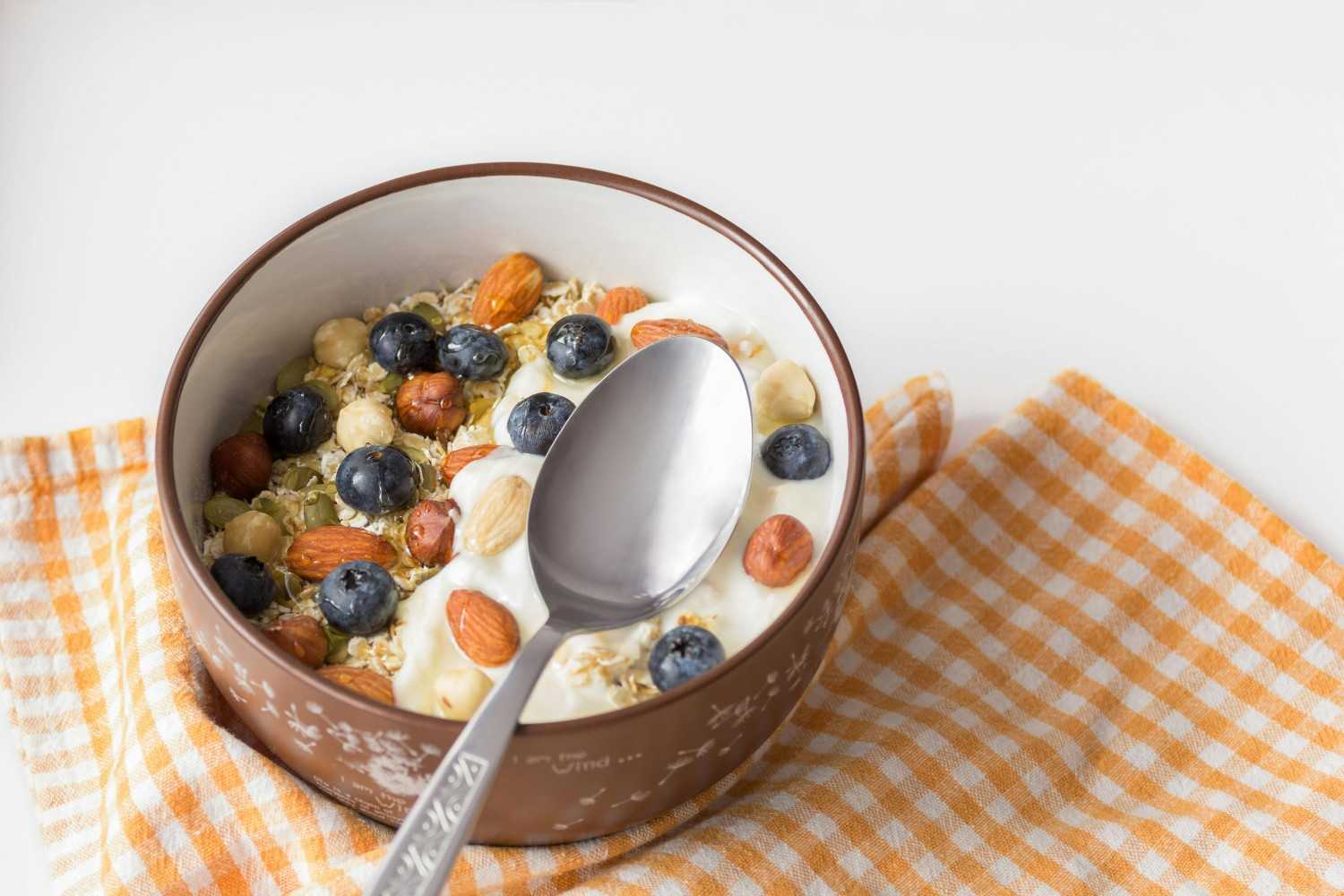
Recipe 5: Greek Yogurt Parfait
Simple, no-cook, and perfect for busy mornings.
Why it works:
- High protein
- Rich in probiotics
- Easy to prep in advance
Greek yogurt can contain up to twice the protein of regular yogurt, making it ideal for sustained energy.
How to make:
- Layer yogurt, granola, and fruits
- Add honey or nuts
Personal Tip: Great for meal prep, store in jars for grab-and-go

Common Breakfast Mistakes to Avoid
Simple, quick healthy breakfast recipes can make a big difference in how you feel throughout the day. But there is something you need to learn.
While understanding the benefits of breakfast is a great first step, it is remarkably easy to fall into morning routines that inadvertently work against your body. Clever food marketing has spent decades framing dessert-like foods, such as pastries, sugary cereals, and sweet drinks, as normal, daily morning fuel.
If you regularly feel sluggish, hungry, or plagued by brain fog before noon, you might be making one of these five common breakfast mistakes.
1. Relying on “Naked” Carbohydrates
Eating a plain bagel, white toast with jam, or a bowl of cornflakes provides your body with plenty of glucose, but absolutely nothing to slow down its absorption.
Result: Your blood sugar spikes rapidly, giving you a temporary burst of energy, followed by a sharp insulin response that causes a mid-morning crash.
Fix: Never let a carb go “naked.” Always pair your complex carbohydrates with a companion protein or healthy fat (e.g., swapping jam for almond butter or pairing toast with a hard-boiled egg).
2. Drinking Your Breakfast
Juicing fruits or grabbing a large, pre-bottled commercial smoothie strips out the structural fiber that naturally slows down fructose absorption.
Result: You are effectively consuming massive amounts of liquid sugar. Because liquid moves through your digestive tract rapidly, your brain fails to register the same satiety signals it would get from chewing whole foods, leaving you hungry an hour later.
Fix: Keep fruits whole whenever possible. If you do make a smoothie, ensure it centers around a protein source (like Greek yogurt or protein powder) and includes healthy fats (like chia seeds or avocado) rather than just blended fruit and juice.
3. Falling for “Healthy” Sugar Traps
Many foods branded as health-conscious are actually packed with hidden sugars.
Culprits: Instant oatmeal packets (especially flavored ones), protein bars, and fruit-flavored yogurts often contain as much sugar as a candy bar.
Fix: Buy the plain, unflavored base versions of these foods (like plain rolled oats or plain Greek yogurt) and sweeten them yourself using fresh berries, cinnamon, or a tiny drizzle of honey.
4. Underestimating Your Protein Needs
Many people eat just enough protein to check a box—like splashing a tablespoon of milk in their coffee or scattering a few almonds on their oatmeal.
Result: Missing out on the metabolic boost and deep fullness that only an adequate dose of protein can provide.
Fix: Aim for at least 20 to 30 grams of protein at breakfast. That looks like three large eggs, a cup of Greek yogurt, or a scoop of clean protein powder.
5. Leading with Coffee on an Empty Stomach
Drinking a cup of black coffee before eating anything can irritate a sensitive stomach lining and cause an overproduction of stomach acid.
The Result: It triggers a sharper spike in cortisol (your stress hormone), which can make you feel jittery, anxious, and can cause blood sugar dysregulation later in the day.
The Fix: Drink a glass of water first, and try to pair your coffee alongside or right after a balanced breakfast to buffer the acidity and cortisol response.
The Breakfast Upgrade Guide
| Instead of... | Try... | Why it helps |
|---|---|---|
| Orange juice & a blueberry muffin | Whole orange, 2 scrambled eggs, & small handful of walnuts | Cuts refined sugar, adds 15g+ of protein and sustained brain fats. |
| Flavored instant oatmeal packet | Plain rolled oats with cinnamon, chia seeds, and a scoop of protein powder | Eliminates added sugars; significantly increases fiber and protein density. |
| Fruit-on-the-bottom yogurt | Plain Greek yogurt topped with fresh blueberries and a drizzle of honey | Doubles the protein content while putting you in control of the sweetness. |
Key takeaways
- Always include protein + fiber
- Prep meals the night before
- Keep ingredients simple
- Avoid overcomplicating recipes
- Choose whole foods over processed options
If you enjoy slow, mindful mornings, you might also like our ideas on home decor to create a relaxing space beyond your kitchen.
FAQs
1. What is the healthiest breakfast option?
A balanced meal with protein, fiber, and healthy fats—like eggs with whole grains or yogurt with fruits.
2. Can I skip breakfast for weight loss?
It depends, but skipping may lead to overeating later. A healthy breakfast helps regulate appetite.
3. What’s the best breakfast for energy?
Meals with complex carbs (oats), protein (eggs), and healthy fats (nuts) provide long-lasting energy.
4. How can I make breakfast faster?
Use meal prep strategies like overnight oats, smoothies, or pre-made parfaits.
Final Words
A healthy breakfast doesn’t need to be complicated; it just needs to be balanced, quick, and consistent. At Daily Garden Guide, we believe that simple routines often have the biggest impact on everyday life.
By focusing on:
- Protein-rich foods
- Fiber-filled ingredients
- Simple recipes
You can create meals that not only save time but also keep you energized and satisfied throughout the day.
Explore more practical, everyday lifestyle tips on the Daily Garden Guide to build simple habits that truly work for you.
About The Author

Mamta Sahney
Part strategist, part plant lover—Mamta Sahney creates where logic meets life.
Her world moves between IT systems and nurturing greens, combining clarity with creativity. With years of hands-on gardening experience, she understands both structure and growth—on screen and in soil.
Through Daily Garden Guide, she brings together gardening, home care, décor, and recipes to help you build a lifestyle that feels natural, intentional, and beautifully yours.