
Some design trends come and go, but others evolve into something deeper, more intentional, and more personal.
That’s exactly what’s happening with Japandi 2.0.
If the original Japandi style blended Scandinavian simplicity with Japanese minimalism, the 2026 version goes further. It’s warmer, more lived-in, and less rigid, focusing not just on how a space looks but also on how it feels, functions, and supports everyday life.
In a world filled with noise and clutter, Japandi 2.0 offers something different: calm, balance, and quiet beauty.
What Is Japandi 2.0?
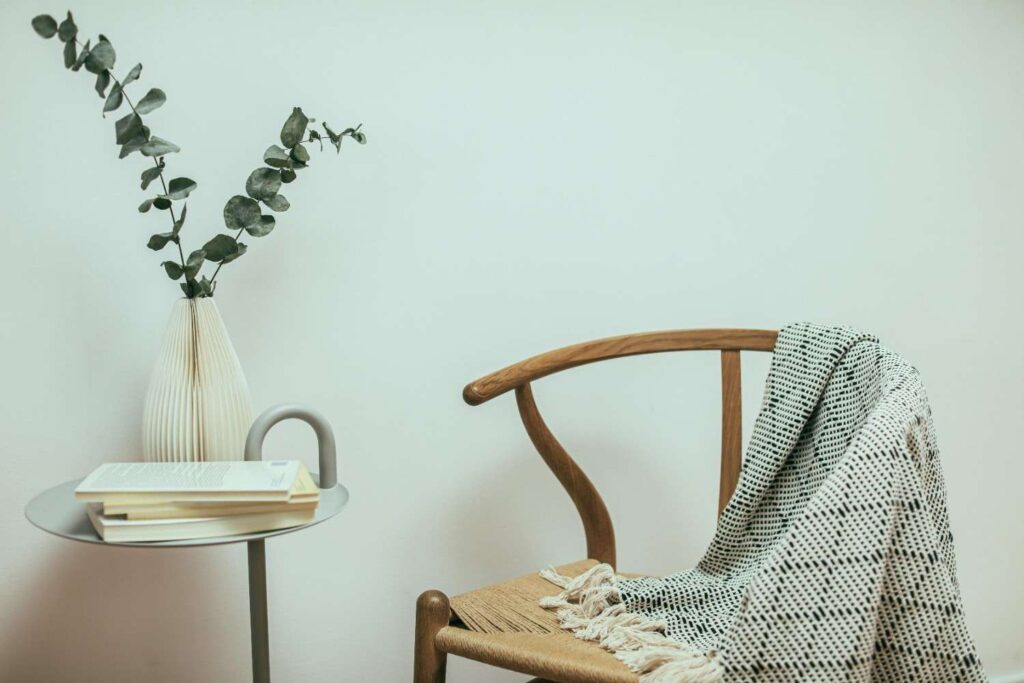
Japandi 2.0 is an evolved interior design style that combines the clean functionality of Scandinavian design with the mindful simplicity of Japanese aesthetics, while adding more warmth and personality.
Unlike earlier versions that leaned heavily toward strict minimalism, this updated approach embraces:
- Subtle imperfections
- Natural textures
- Personal touches
It’s less about creating a “perfect” space and more about designing a home that feels intentional, comfortable, and authentic.
However, Japandi shares similarities with quiet luxury; our Luxury Home Decor Ideas on a Budget guide shows how subtle design choices can create an elegant, timeless feel.
Why Japandi 2.0 Is Trending in 2026
Modern homeowners are moving away from overly styled interiors and toward spaces that feel real and grounded.
Japandi 2.0 fits perfectly with current lifestyle shifts:
- A desire for slower, more mindful living
- Increased focus on mental wellness at home
- Preference for sustainable and long-lasting materials
- A shift from “show homes” to livable spaces
It’s not just a design trend—it’s a reflection of how people want to live.
Benefits of Japandi 2.0 Interiors
Adopting this style can transform not just your home, but your daily experience within it.
✔ Creates a calm, balanced environment
The combination of soft tones and natural materials reduces visual stress and promotes relaxation. Japandi design often blends indoor calm with outdoor simplicity. Check out our Outdoor Garden Decor Ideas for 2026 to extend that balance outside.
✔ Encourages mindful living
With fewer but more meaningful objects, your space feels more intentional and less overwhelming.
✔ Works in any space size
Whether you live in a small apartment or a larger home, Japandi adapts easily without feeling cluttered.
✔ Timeless and sustainable
By focusing on quality and simplicity, this style avoids fast-changing trends and reduces waste.
Japandi vs Japandi 2.0 (What’s Changed?)
| Element | Original Japandi | Japandi 2.0 (2026 Evolution) |
| Color Palette | Cool neutrals (white, grey) | Warmer tones (beige, clay, earthy hues) |
| Styling Approach | Strict minimalism | Soft minimalism with personality |
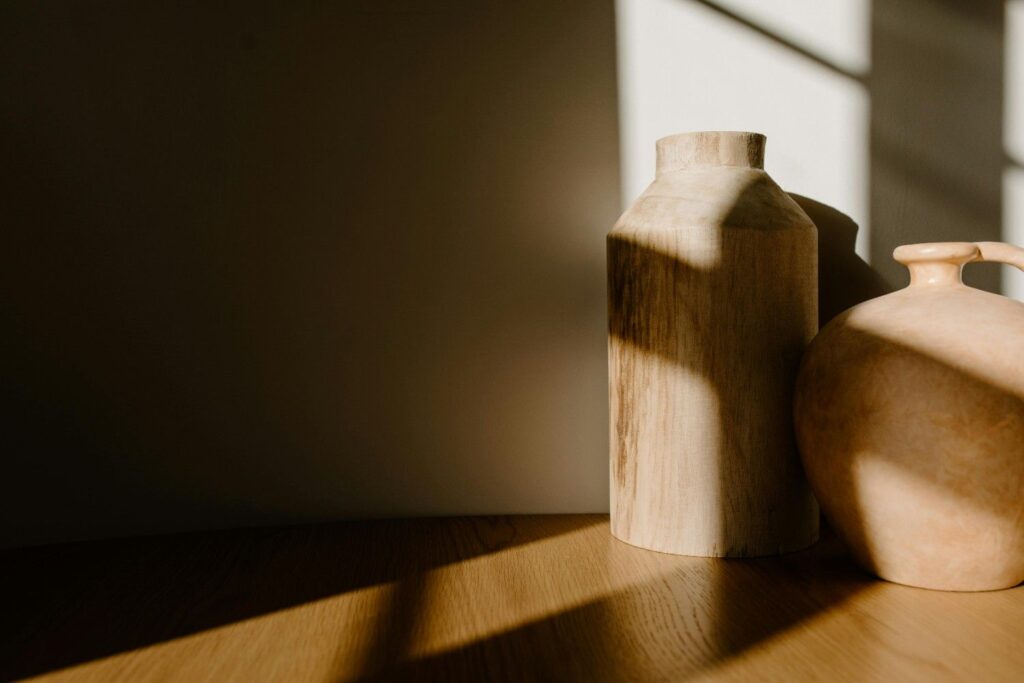
| Materials | Light wood, simple textures | Mixed textures, darker woods, organic feel |
| Atmosphere | Clean but sometimes stark | Cozy, lived-in, and inviting |
| Personalization | Limited décor | Curated personal elements |
Key Elements of Japandi 2.0 Design
To get this look right, focus on elements that balance simplicity with warmth.
1. Warmer, Earthy Color Palettes
Japandi 2.0 moves away from cold whites and introduces tones that feel more grounded.
Think:
- Warm beige
- Soft browns
- Muted greens
- Clay and terracotta shades
These colors create a space that feels soothing, natural, and welcoming, rather than stark or overly minimal.
2. Natural Materials with Visible Texture
Texture plays a key role in adding depth without clutter.
Incorporate materials like:
- Raw wood
- Linen and cotton fabrics
- Stone and ceramics
- Bamboo or rattan
Instead of polished perfection, the focus is on organic, slightly imperfect finishes that feel real and tactile.
3. Functional, Low-Profile Furniture
Furniture in Japandi 2.0 is designed to be both practical and visually calming.
Key characteristics:
- Clean lines
- Low height (inspired by Japanese design)
- Multi-functional use
This creates a sense of openness while maintaining comfort and usability.
4. Thoughtful Minimalism (Not Empty Spaces)
Minimalism here doesn’t mean removing everything—it means keeping what matters.
Each item in the room should:
- Serve a purpose
- Add visual harmony
- Contribute to the overall mood
This results in a space that feels curated rather than bare.
5. Soft, Ambient Lighting
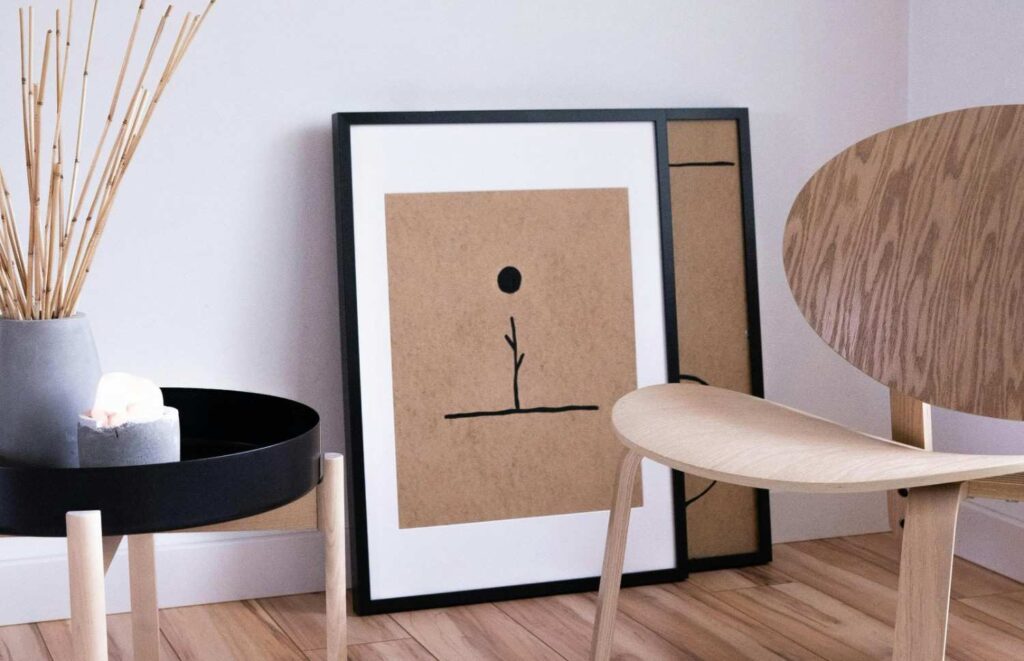
Lighting in Japandi 2.0 is subtle and calming.
Use:
- Warm light tones
- Paper or fabric lamps
- Diffused lighting sources
This helps create a cozy and relaxing atmosphere, especially in the evenings.
Essential Japandi 2.0 Elements Checklist
| Design Element | How to Apply It | Why It Matters |
| Color Palette | Use warm neutrals and earthy tones | Creates a calming, grounded environment |
| Materials | Choose natural, textured finishes | Adds depth without visual clutter |
| Furniture | Opt for low, functional designs | Enhances space and usability |
| Décor | Keep it minimal but meaningful | Avoids overcrowding while adding personality |
| Lighting | Use warm, diffused lighting | Improves mood and ambiance |
How to Create a Japandi 2.0 Home on a Budget
You don’t need a full redesign—small, intentional changes can make a big difference.
Step 1: Declutter and Simplify
Start by removing unnecessary items. This creates a clean foundation and helps you focus on what truly matters in your space.
Step 2: Introduce Warm Tones
Swap out cooler shades for warmer ones through:
- Cushions
- Rugs
- Curtains
This instantly shifts the mood of your space.
Step 3: Add Natural Materials
Even small additions like:
- Wooden trays
- Linen covers
- Ceramic décor
can bring in the organic feel that defines Japandi style.
Step 4: Focus on Lighting
Replace harsh lighting with:
- Warm bulbs
- Soft lamps
- Layered lighting setups
This creates a more relaxed and inviting environment.
Common Mistakes to Avoid
❌ Making the space too empty
Japandi 2.0 is about balance—not removing everything.
❌ Using cold, sterile colors
This can make your space feel uninviting instead of calming.
❌ Ignoring texture
Without texture, the design feels flat and incomplete.
❌ Overdecorating
Too many items disrupt the space’s simplicity and harmony.
Quick Styling Tips for Instant Japandi Feel
For quick upgrades:
- Use neutral, textured cushions
- Add one statement ceramic piece
- Keep surfaces mostly clear
- Introduce indoor plants
- Stick to a consistent color palette
These small adjustments can instantly make your home feel more balanced and refined.
Japandi 2.0 Ideas by Room
Living Room
Focus on comfort and simplicity with a neutral sofa, wooden furniture, and minimal décor that feels intentional.
Bedroom
Create a restful space with soft bedding, warm lighting, and clutter-free surfaces to promote relaxation.
Kitchen
Keep it functional and clean with natural materials, simple storage, and minimal visual distractions.
FAQs
Is Japandi 2.0 suitable for small homes?
Yes, it works exceptionally well because it reduces clutter and maximizes space efficiency.
Can I mix Japandi with other styles?
Yes, but keep it subtle to maintain balance and cohesion.
Is Japandi expensive to achieve?
Not necessarily. It’s more about intentional choices than high spending.
The Takeaway
Japandi 2.0 isn’t just about design, it’s about creating a home that feels calm, functional, and deeply personal.
By focusing on:
- Warm minimalism
- Natural materials
- Thoughtful design choices
You can build a space that doesn’t just look good, but truly supports your everyday life. A well-designed Japandi space doesn’t try too hard; it simply feels right.
👉 Discover more simple and thoughtful styling ideas on the Daily Garden Guide to bring that same calm into every corner of your home.
About The Author
