
Your home is no longer just a place you live in; it’s slowly becoming something that understands how you live.
At Daily Garden Guide, we’ve been noticing how AI-powered smart homes are evolving in a much quieter, more thoughtful way. It’s no longer about filling your space with obvious gadgets. Instead, the shift is toward homes that adjust lighting when you need focus, manage temperature without you having to think about it, and simplify small daily routines in the background.
In 2026, smart living feels less “tech-driven” and more human. The best-designed homes don’t show off technology; they simply feel easier, calmer, and more in sync with your day.

What Is an AI-Powered Smart Home?
An AI-powered smart home uses intelligent systems that analyze your behavior and automatically adjust your environment to match your needs.
Unlike basic automation, which follows fixed commands, AI evolves over time. It learns patterns, like when you wake up, how you like your lighting, or when you prefer silence, and makes adjustments without you having to ask.
This transforms your home from responsive to proactive.
If you’re also thinking about how your space feels overall, you might enjoy our 10 Home Decor Trends that are doing wow in 2026, especially for Wall & Floor Styling for a complete approach to modern living.
What Studies Reveal About Home Design, Focus, and Well-Being
Recent research suggests that well-designed home environments—especially those that combine functionality, comfort, and minimal visual stress—can significantly improve focus, mood, and overall well-being. Instead of overwhelming spaces with too many elements, simpler and more intentional setups tend to support better daily performance.
From what I’ve seen while working on different home setups, this holds true in real life as well. Spaces that are clean, thoughtfully arranged, and aligned with daily routines don’t just look better; they actually make it easier to stay consistent, focused, and less mentally drained.
👉 That’s why, whether you’re setting up a home office or refreshing your interiors, focus on how your space feels and works—not just how it looks—something essential in AI-Powered Smart Homes.
Why AI-Driven Décor Is Trending in 2026
Modern homeowners are no longer impressed by flashy tech; they want invisible convenience and aesthetic harmony.
The demand is shifting toward homes that:
- Feel calm and uncluttered
- Reduce manual effort
- Support wellness and sustainability
- Blend technology into design rather than showcasing it
This is why AI-powered décor is trending; it aligns perfectly with the desire for simpler, smarter, and more intentional living spaces.
Benefits of AI-Powered Smart Homes
AI integration doesn’t just upgrade your home, it improves how you live in it. Here are the top perks of making an AI powered smart home:
✔ Personalized living experience
Your home adjusts lighting, temperature, and ambiance based on your habits, creating a space that feels uniquely yours.
✔ Lower energy consumption
Smart systems optimize electricity usage, helping you save money while reducing environmental impact.
✔ Enhanced comfort and convenience
From automated lighting to predictive climate control, everyday tasks become effortless.
✔ Cleaner, more premium interiors
With fewer visible devices and smarter integration, AI-Powered Smart Homes feel cleaner, more organized, and effortlessly premium.

Key Elements of AI-Powered Smart Home Design
When designing AI-Powered Smart Homes, focus on elements that combine smart functionality with visually appealing design.
1. Invisible Technology Integration
Modern smart homes hide technology within the design rather than displaying it.
This includes:
- Built-in speakers and lighting
- Concealed wiring
- Minimalist control panels
The goal is to create a space that feels clean and uncluttered, where technology enhances the experience without dominating the visuals. Even in tech-driven homes, adding natural elements matters. Our Best Low-Maintenance Indoor Plants for Small Apartments guide is a great place to start.
2. Adaptive Smart Lighting Systems
Lighting is one of the most noticeable upgrades in a smart home.
AI-powered lighting:
- Adjusts brightness based on time of day
- Changes the color temperature to match your mood
- Supports better sleep and productivity
This creates an environment that feels both functional and emotionally balanced.
Beyond research, real user experiences also highlight this shift; many homeowners discussing AI-powered setups online mention that the biggest benefit isn’t automation itself, but how smoothly everything works together in daily life. In community discussions around AI-powered homes, people often share that the best setups are the ones you don’t notice; they simply make everyday routines easier without constant interaction.
3. Predictive Automation (Beyond Voice Commands)
Voice assistants are just the beginning. AI now predicts your needs.
Your home can:
- Turn off lights when you leave
- Adjust temperature before you arrive
- Create personalized routines automatically
This reduces the need for constant interaction, making your home feel effortless and intuitive. The perfect idea for creating AI-Powered Smart Homes!
4. Smart Climate and Air Systems
Comfort is no longer limited to temperature control.
AI systems now:
- Monitor air quality
- Adjust humidity levels
- Optimize airflow
This creates a healthier indoor environment while maintaining consistent comfort throughout the day.
5. Multi-Functional Smart Furniture
Furniture is evolving to support modern lifestyles.
Examples include:
- Smart beds that track sleep
- Coffee tables with built-in charging
- Adjustable desks for work-from-home setups
These pieces blend design, technology, and practicality, making them perfect for compact spaces in AI-Powered Smart Homes.
Smart Features vs Traditional Homes
| Feature | Traditional Home | AI-Powered Smart Home |
| Lighting Control | Manual switches | Automated + adaptive lighting |
| Temperature Management | Fixed thermostat | AI-based climate adjustment |
| Energy Efficiency | Limited tracking | Real-time optimization |
| Security | Basic locks and alarms | Smart monitoring + alerts |
| Convenience | Manual effort | Predictive automation |
| Aesthetic Integration | Visible devices and wires | Hidden, design-friendly tech |
AI Smart Home Setup: Budget vs Premium Approach
| Area | Budget-Friendly Setup | Premium Setup |
| Lighting | Smart bulbs with app control | Fully automated adaptive lighting system |
| Control System | Basic voice assistant | Centralized AI hub with predictive automation |
| Climate | Smart thermostat | AI-driven climate + air quality system |
| Furniture | Add-on smart accessories | Fully integrated smart furniture |
| Security | Smart doorbell or camera | Advanced AI surveillance ecosystem |
How to Build an AI Smart Home on a Budget
You don’t need to invest heavily upfront. A step-by-step approach works best.
Step 1: Start with Lighting
Lighting is affordable and impactful. Smart bulbs can instantly change how your space looks and feels, making it warmer and more dynamic.
Step 2: Use a Central Control System
A smart hub connects your devices and allows you to control everything from one place. It also enables automation routines, which is where the real value lies.
Step 3: Focus on High-Use Areas
Instead of upgrading your entire home, start with:
- Living room
- Bedroom
- Entryway
This ensures you get maximum benefit with minimal cost.
Step 4: Maintain a Clean Aesthetic
Even budget setups can look premium if:
- Wires are hidden
- Devices match your décor
- Layout remains minimal
Design matters just as much as functionality.
Common Mistakes to Avoid
❌ Adding too many disconnected devices
This creates confusion and reduces efficiency. Always aim for integration.
❌ Ignoring interior design
Smart homes should still look beautiful. Avoid bulky or mismatched gadgets.
❌ Not using automation features
Without automation, your smart home becomes just a collection of manual tools.
❌ Overcomplicating the setup
Keep it simple. A few well-integrated systems work better than many scattered ones.
Quick Smart Home Upgrades
For immediate impact:
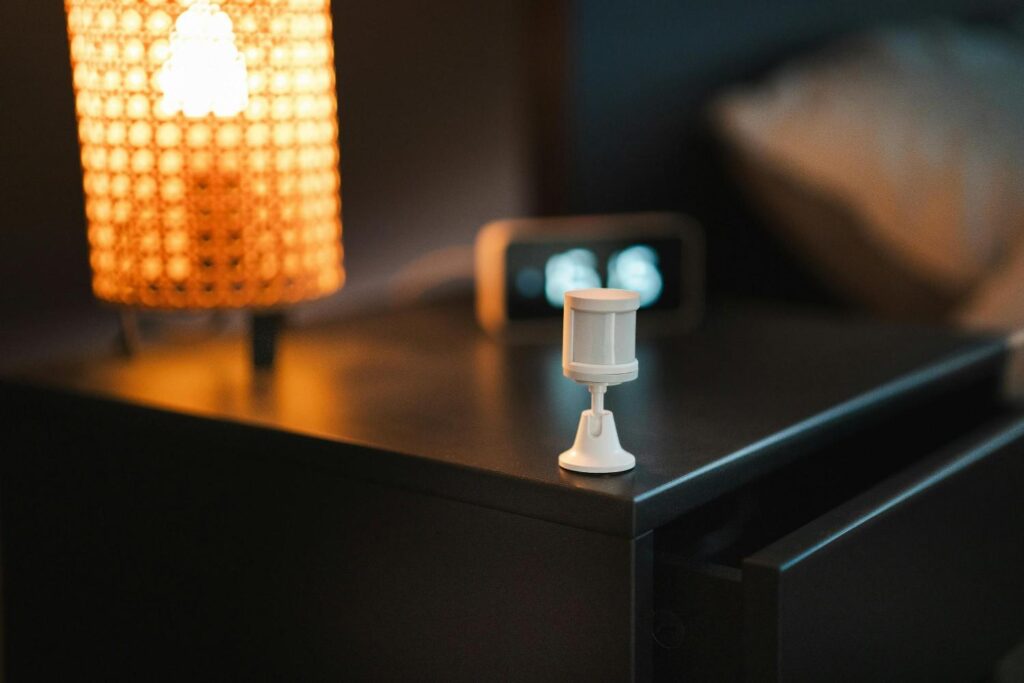
- Install motion-sensor lighting
- Use warm, dimmable bulbs
- Set up daily automation routines
- Declutter visible tech
- Optimize lighting for different times of day
These small changes can dramatically improve both functionality and aesthetics.
Room-by-Room Smart Home Ideas
Living Room
Focus on creating a space that adapts to different activities, relaxing, watching TV, or hosting guests, through lighting and automation. You can extend this seamless living experience outdoors as well, explore our Outdoor Garden Decor Ideas for 2026 for simple upgrades.
Bedroom
Prioritize sleep-focused features like dim lighting, temperature control, and minimal tech visibility to create a calm environment.
Kitchen
Enhance efficiency with smart lighting, timers, and appliances that simplify daily tasks without cluttering the space.
FAQs
Are AI-powered homes worth it?
Yes, especially for long-term convenience, energy savings, and improved quality of life.
Can I build a smart home gradually?
Absolutely. Start small and expand as needed.
Do smart homes look too “techy”?
Not anymore. Modern designs focus on invisible integration, making them look clean and elegant.
The Takeaway
AI-powered smart homes represent the future of living, where design meets intelligence.
When done right, they offer:
- Effortless automation
- Cleaner, more refined spaces
- A highly personalized experience
The real luxury isn’t just how your home looks, it’s how smoothly it works for you.
Looking to upgrade your space beyond smart tech? Explore more ideas on Daily Garden Guide, from modern home decor trends to practical garden styling tips, everything at one stop.