
Key Takeaways
- Bright, nectar-rich flowers like lavender and zinnia attract the most bees and butterflies
- Native plants work best since pollinators are naturally adapted to them
- Plant in clusters to make it easier for pollinators to find food
- Avoid pesticides, as they can harm or kill beneficial insects
- Choose plants with different bloom times to support pollinators all season long
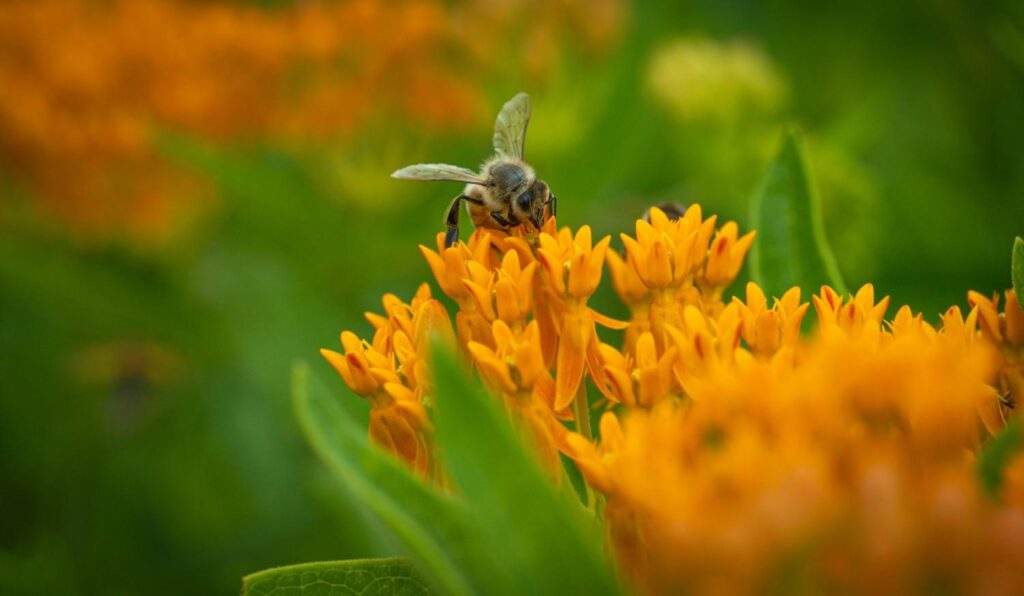
Pollinators, such as bees and butterflies, are vital to healthy gardens, food production, and the environment. If you’ve ever wondered which plants attract bees and butterflies most, you are not alone. But which are better pollinator plants, and how good are they for the environment? This is one of the most googled questions about gardening in the US - particularly as people seek eco-friendly, low-effort methods to help nature.
The good news? You don’t need an acre (or any experience). You can turn a small backyard, patio, or front yard into a pollinator oasis with the right pollinator plants.
This daily garden guide puts it all in simple terms: what to grow, why these things are good to grow, and how you can make your garden more bee- and butterfly-friendly.
Why Bees and Butterflies Go to Certain Plants
Plants are not visited by bees (or butterflies) at random. They find the flowers based on nectar quality, flower form, color, and bloom time.
What Bees Want in Garden Plants
Bees prefer:
- Nectar-rich flowers for energy
- Pollen-heavy plants for protein
- Bloom’s blue, purple, white and yellow
- ‘easy’ landing areas of small flowers
Butterflies are attracted to:
- Vibrant tones such as red, orange, pink or purple
- Flat or tubular flowers for sipping nectar
- Host plants for them to lay their eggs
- Sunny, sheltered garden spots
| Tip: The best pollinator gardens include plants that benefit both bees and butterflies. |
Best Flowering Plants That Attract Bees and Butterflies the Most
Setting up a space where bees and butterflies feel at home doesn’t take much effort. Picking flowers they love brings bright colors alive outside your door while giving these vital creatures what they need. Blossoms full of sweet liquid, placed with care, build a lively patch buzzing with movement. Instead of just lawn, imagine fluttering wings among sturdy stems when sunlight hits just right.
Here are the best flowering plants that attract bees and butterflies the most:
Lavender: A Superior Pollinator Magnet That Lasts Long as Penstemon
Bee and butterfly favorites: Lavender is one of the most dependable plants for attracting bees and butterflies to your garden. If you’re looking for easy-care options, check out Best Low-Maintenance Indoor Plants for Small Apartments in 2026 to start with hassle-free plants.
Why it works:
- Strong smell attracts pollinators from great distances
- Months of blooms in warm climates
- Thrives in many US zones
Best growing regions: California, Texas, Arizona and the Southeast, as well as coastal states
Coneflower (Echinacea) : Native, Tough, and Host to Pollinators
Coneflowers are native to North America and are great for pollinators.
Why pollinators love it:
- High nectar content
- Long-lasting summer blooms
- Attracts bees, butterflies, and birds
Bonus: Highly drought-tolerant and low maintenance.
Milkweed: The Number One Plant for Butterflies (and Monarchs)
Milkweed is a must if you want butterflies.
Why milkweed matters:
- Exclusively, Monarch butterflies lay their eggs on milkweed.
- Provides a high nectar source for adult butterflies
- Natives thrive throughout the US
| Tip: Select a native milkweed species for your state. |
Black-Eyed Susan: Instant Color That’s Candy for Pollinators
One of the most popular pollinator flowers for sure.
Why it’s effective:
- Easy access to nectar
- Foliage through summer and early fall
- Great for beginner gardeners
Bee Balm (Monarda): Made for Bees and Butterflies
Bee balm is well-named as it provides nectar for pollinators.
Why it stands out:
- Tubular flowers that are perfect for butterflies to feed from
- Strong fragrance attracts bees
- Native to many US regions
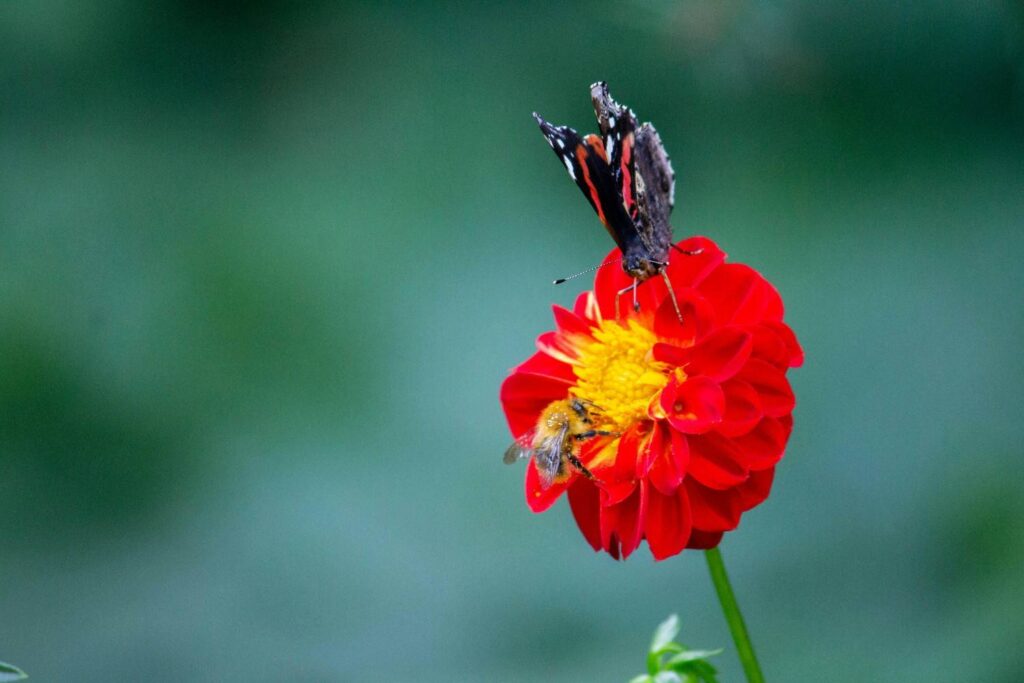
Top Plants That Attract Bees & Butterflies
| Plant Name | Attracts | Bloom Season | Care Level | Bonus Benefit |
| Lavender | Bees + Butterflies | Summer | Easy | Aromatic + drought-tolerant |
| Sunflower | Bees | Summer | Easy | Edible seeds |
| Marigold | Bees + Butterflies | Year-round (warm climates) | Very Easy | Pest repellent |
| Zinnia | Butterflies | Summer–Fall | Easy | Continuous blooms |
| Coneflower (Echinacea) | Bees + Butterflies | Summer | Easy | Medicinal value |
| Milkweed | Butterflies (Monarchs) | Summer | Medium | Essential for the monarch lifecycle |
| Cosmos | Butterflies | Summer–Fall | Easy | Low maintenance |
| Salvia | Bees + Butterflies | Spring–Fall | Easy | Long blooming |
| Butterfly Bush | Butterflies | Summer | Medium | Highly आकर्षक nectar source |
| Hibiscus | Butterflies | Summer | Easy | Tropical vibe |
Best herbs that can attract bees and butterflies naturally
Herbs perform double duty, though: they make the kitchen taste good and buzz with visitors.
Basil: Let It Bloom for Pollinators
When basil flowers, it’s a bee magnet.
Best practice:
Pick leaves early and let some plants bloom later in the season.
Rosemary: A Nectar Source in Warm States Year-Round
Rosemary blossoms are particularly useful in spring.
Best for: Southern US or coastal areas
Thyme and Oregano: Delicious Smallscale Flowers
These small herbs even produce tiny flowers that bees can’t resist.
Tip: Ground-covering herbs make good accents for edging pollinator gardens.
Native Plants That Attract Local Bees and Butterflies Best
Your region’s native plants are what your local pollinators have evolved with to recognize as food.
Why Native Plants Are Better
- Pollinators recognize them
- Require less water and care
- Flower when local species do.
Examples of US native pollinator plants:
- Goldenrod
- Joe-Pye Weed
- Aster
- Blazing Star
For faster growth and better results, don’t miss our Gardening Tips 2026 – Grow Faster Like Experts, a proven guide.
Bee – Color Attraction Guide
| Color | Attracts More | Best Plant Examples |
| Purple | Bees 🐝 | Lavender, Salvia |
| Yellow | Bees + Butterflies | Sunflower, Coreopsis |
| Orange | Butterflies 🦋 | Zinnia, Marigold |
| Pink | Butterflies | Cosmos, Coneflower |
| White | Night pollinators | Jasmine, Moonflower |
Determining and Selecting Plants for Your US Climate Zone
Not all pollinator plants work in all places.
Attract Pollinators to Your Garden in the Warm South
- Lantana
- Salvia
- Zinnia
- Pentas
Pollinator-friendly Plants for Colder Climates in Northern States
- Aster
- Bee balm
- Coneflower
- Phlox
| Tip: The best results are achieved by diversifying with original and adapted plants. |
How to Arrange Plants to Attract More Bees and Butterflies
Plant selection is important, but so, too, is placement.
Group Plants Instead of Spacing Them Out
Pollinators like groups of the same flower.
Select Blooming from Spring through to Fall
Aim for:
- Early bloomers (spring)
- Peak summer flowers
- Late fall nectar sources
- Provide Sun and Shelter
Most pollinators prefer:
- Full sun
- Wind-protected areas
- Errors that Make Bees and Butterflies Stay Away
Avoid these pollinator-repelling habits:
- Any chemical-based pesticide or herbicide
- Growing ornamental, non-nectar-producing plants only
- Over mulching and laying on bare soil
- Cutting all Dead Stems in Winter.
Easy Ways to Add More Pollinators Without Doing Extra Planting
You can invite more pollinators without adding more plants.
- Include a shallow water bowl with rocks in it
- Keep some dead leaves and stems
- Let herbs flower naturally
- We only have so much lawn space.
To keep your plants thriving while saving water, explore our Water Wise Gardening 2026 – Save Water, Grow More guide.
FAQS:
- What is the single best plant to attract butterflies?
- Milkweed is the primary plant for monarch butterflies.
- Do bees prefer native plants?
- Yes, as per the Daily Garden Guide, bees find it easier to recognize and use native plants as food sources.
- Can I attract pollinators in a small garden or on a balcony?
- Absolutely. Herbs, lavender, and container flowers all grow quite well.
- Do Bees like flowering trees?
- Yes, early nectar is available from flowering trees such as redbud and dogwood.
- Should I avoid pesticides completely?
- Yes. The Daily Garden Guide suggests that pesticides labeled “organic” can have detrimental effects on bees and other pollinators.
Final words
Plants chosen well turn gardens into quiet shelters for bees, for fluttering wings. Blooms that feed pollinators do more than brighten corners – they help fragile lives hold on. Begin now, one seed at a time, letting color rise without force.