
Starting your first raised garden bed can completely change the way you grow vegetables, herbs, and flowers at home. A proper Raised Garden Bed Setup helps improve soil quality, drainage, plant health, and overall productivity while making gardening easier for beginners.
Across the USA, more homeowners are turning to raised bed gardening because it offers better control over growing conditions, especially in smaller backyards or areas with poor native soil. Whether you want fresh vegetables, a family-friendly hobby, or a more sustainable lifestyle, raised beds are one of the smartest gardening investments you can make.
According to USDA Home Gardening Resources, home gardening continues to grow in popularity due to increasing interest in healthy eating and food sustainability.
This detailed guide covers everything beginners need to know about setting up a raised garden bed, including materials, soil preparation, vegetable selection, layout planning, maintenance, common mistakes to avoid, and expert gardening tips.
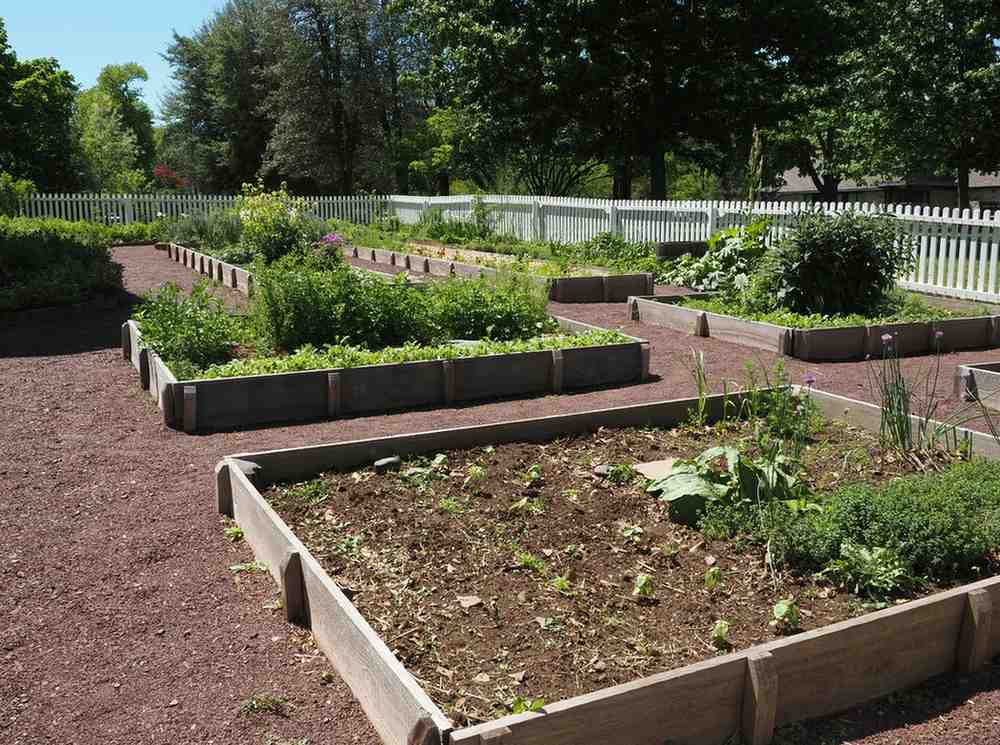
Why Raised Garden Beds Are Perfect for Beginners
A raised garden bed is essentially a contained planting area elevated above ground level. Unlike traditional gardening, raised beds allow you to create ideal growing conditions without relying entirely on the quality of the existing soil.
Key Benefits of Raised Garden Beds
- Better soil drainage
- Easier weed management
- Improved soil quality
- Less bending and strain
- Better pest control
- Extended growing seasons
- Cleaner vegetable production
Why Americans Prefer Raised Bed Gardening
Raised beds work especially well in:
- Urban homes
- Suburban backyards
- Small outdoor spaces
- Areas with rocky or clay-heavy soil
Many gardeners also combine raised beds with backyard upgrades. The best part is that no matter how big or small your backyard is, you can still grow fresh backyard vegetables successfully with the right plant choices, containers, and a simple gardening setup.
How to Plan Your Raised Garden Bed Setup
Before building your garden bed, planning is essential. The location, dimensions, sunlight exposure, and soil conditions all affect plant growth.
Choose the Right Location
The best location for a raised garden bed should:
- Receive 6–8 hours of sunlight daily
- Have easy access to water
- Offer good airflow
- Be relatively level
Best Size for Beginners
For most beginners:
- Width: 3–4 feet
- Length: 6–8 feet
- Depth: 10–18 inches
This size allows easy access without stepping into the soil.
Raised Bed Layout Tips
Keep enough walking space between beds for:
- Watering
- Harvesting
- Wheelbarrow access
Common Beginner Mistake
Many beginners place raised beds in shaded areas. Most vegetables require direct sunlight to produce healthy yields.
Best Materials for Raised Garden Bed Setup
Choosing the right materials affects durability, appearance, and long-term maintenance.
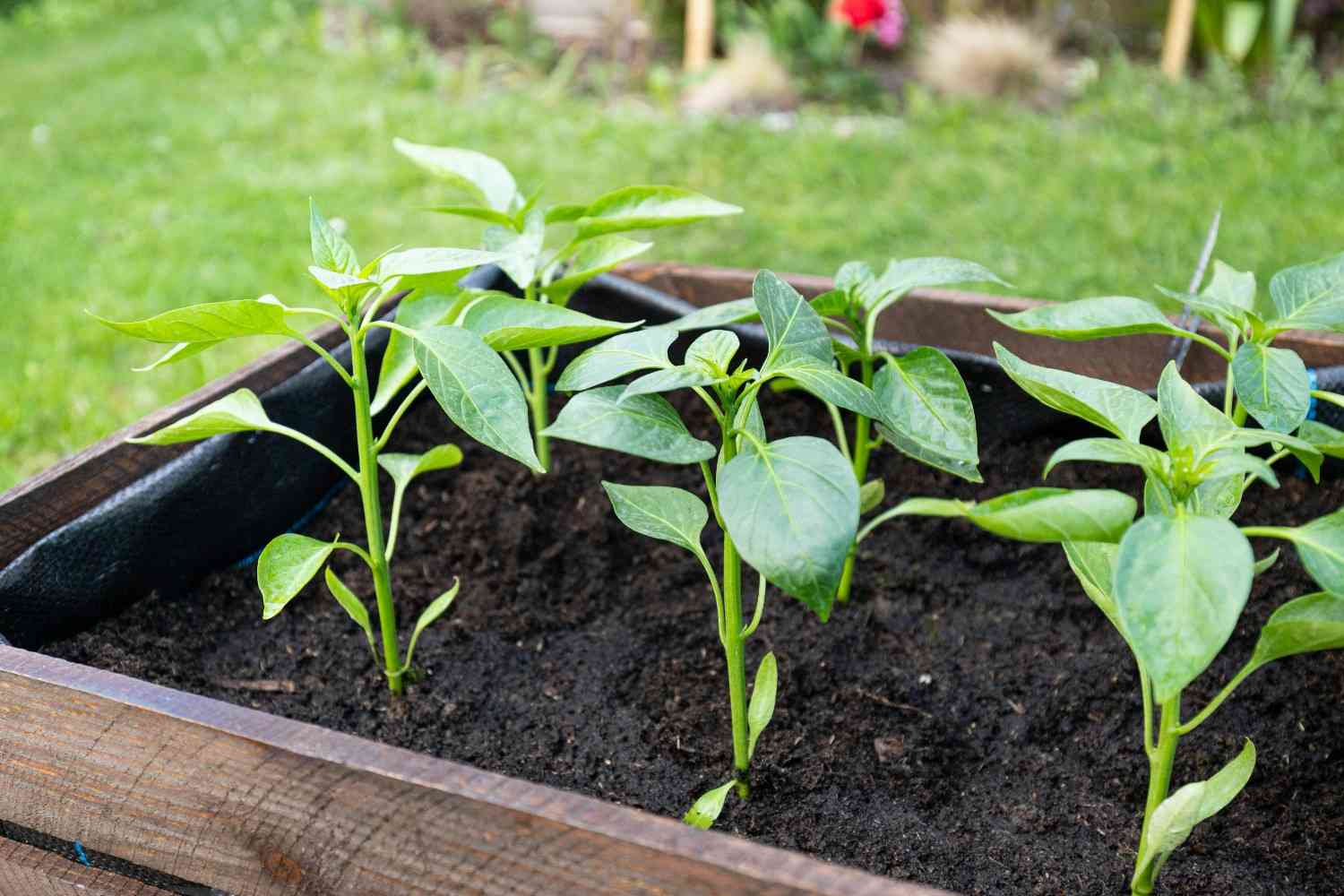
Popular Raised Bed Materials
| Material | Durability | Cost | Best For |
| Cedar Wood | High | Medium-High | Long-lasting organic gardens |
| Pine Wood | Medium | Budget-Friendly | Beginners |
| Metal Beds | Very High | High | Modern backyard gardens |
| Composite Boards | High | Medium | Low-maintenance setups |
| Concrete Blocks | High | Medium | Permanent structures |
Cedar vs Metal Raised Beds
Cedar Beds
- Natural appearance
- Resistant to insects
- Excellent for organic gardening
Metal Beds
- Modern aesthetic
- Long lifespan
- Better heat retention
What Materials Should Be Avoided?
Avoid:
- Pressure-treated wood with harmful chemicals
- Cheap plastic materials
- Weak, untreated wood is prone to rot
Soil Preparation for Raised Garden Beds
A successful Raised Garden Bed Setup depends heavily on soil quality. Unlike traditional gardens, raised beds allow you to create customized nutrient-rich soil.
Best Soil Mix for Raised Beds
Experts commonly recommend:
- 40% topsoil
- 40% compost
- 20% aeration materials like perlite or coconut coir
Why Compost Matters
Compost improves:
- Soil fertility
- Water retention
- Microbial activity
The EPA Composting Guide explains how composting supports sustainable gardening while reducing household waste.
Soil pH Recommendations
Most vegetables prefer:
- pH between 6.0 and 7.0
Organic Soil Boosters
Popular additions include:
- Worm castings
- Bone meal
- Fish emulsion
- Organic fertilizer
Best Vegetables for Raised Garden Beds
One major advantage of raised beds is the ability to grow high-yield vegetables in compact spaces.
Raised Garden Bed Setup for Vegetables
Some of the best beginner-friendly vegetables include:
Tomatoes
Benefits:
- High productivity
- Excellent vertical growth
- Great for containers and raised beds
Lettuce
Advantages:
- Fast-growing
- Continuous harvesting
- Perfect for cooler climates
Peppers
Why beginners love them:
- Compact growth
- Colorful appearance
- Strong summer performance
Spinach
Nutritional benefits:
- High in iron
- Rich in vitamins
- Excellent for healthy meals
Cucumbers
Best grown with:
- Trellises
- Vertical support systems
You can also read our detailed guide to easy-to-grow plants for warm weather to choose the right crops for your space.
Watering and Irrigation Tips
Proper watering is critical for healthy raised bed gardening.
Best Watering Practices
- Water early morning
- Keep soil evenly moist
- Avoid soaking leaves excessively
How Often Should Raised Beds Be Watered?
Most raised beds need:
- 1–2 inches of water weekly
- More frequent watering during summer heat
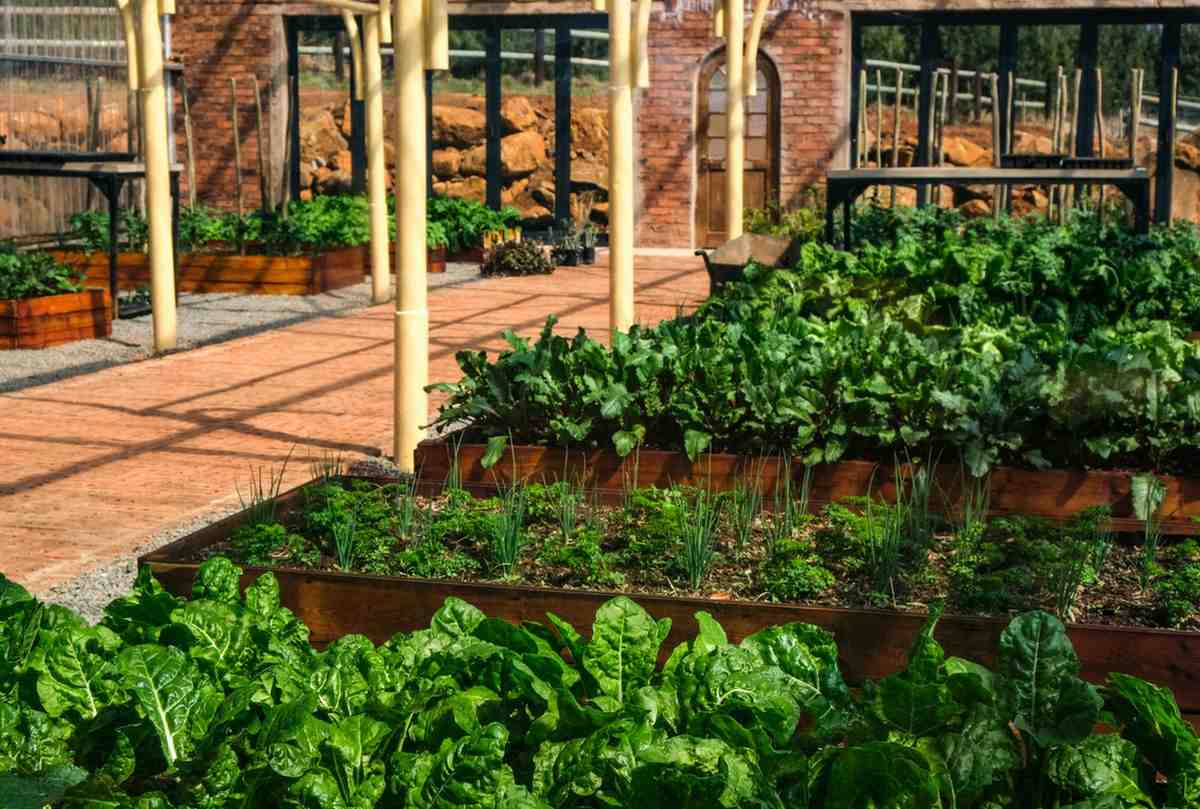
Drip Irrigation vs Hand Watering
| Watering Method | Advantages | Disadvantages |
| Drip Irrigation | Water efficient | Higher setup cost |
| Hand Watering | Budget-friendly | Time-consuming |
| Soaker Hoses | Easy installation | Less precise |
Mulching Benefits
Mulch helps:
- Retain moisture
- Reduce weeds
- Regulate soil temperature
You may also find helpful: Water Wise Gardening 2026.
Raised Garden Bed Maintenance Tips
Maintaining a raised bed is usually easier than maintaining traditional gardens.
Seasonal Maintenance Checklist
Spring
- Add compost
- Test soil
- Prepare seedlings
Summer
- Monitor watering
- Harvest regularly
- Watch for pests
Fall
- Remove dead plants
- Add mulch
- Prepare winter cover crops
Winter
- Protect soil
- Plan crop rotation
Common Raised Garden Bed Setup Mistakes
Even the best beginner gardeners make mistakes. Understanding common problems early can save time and money.
Overcrowding Plants
Too many plants compete for:
- Nutrients
- Water
- Sunlight
Poor Drainage
Without proper drainage:
- Roots may rot
- Fungus problems increase
Ignoring Soil Health
Nutrient-depleted soil leads to:
- Weak growth
- Lower yields
- Increased pest problems
Using Cheap Soil
Low-quality soil often lacks:
- Nutrients
- Aeration
- Organic matter
Raised Garden Bed Trends in 2026
Modern backyard gardening is evolving quickly.
Popular Gardening Trends
- Vertical raised beds
- Self-watering systems
- Organic-only gardening
- Smart irrigation technology
- Pollinator-friendly gardens
Sustainable Gardening Growth
More American homeowners now prioritize:
- Food security
- Eco-friendly gardening
- Healthier lifestyles
FAQs
What is the best depth for a raised garden bed?
Most vegetables grow well in beds that are 10–18 inches deep.
What vegetables grow best in raised beds?
Tomatoes, lettuce, spinach, cucumbers, peppers, and carrots perform very well.
Do raised garden beds need drainage holes?
If the bed sits directly on soil, drainage holes are usually unnecessary. Elevated containers may require them.
How long does a raised garden bed last?
Cedar beds may last 10–15 years, while metal beds can last even longer.
Is raised bed gardening worth it?
Yes. Raised beds improve productivity, reduce maintenance, and simplify gardening for beginners.
Conclusion
A proper Raised Garden Bed Setup is one of the best ways to create a productive, beginner-friendly garden at home. Raised beds offer better drainage, healthier soil, easier maintenance, and higher yields of vegetables than traditional gardening methods.
Whether you’re growing tomatoes, lettuce, peppers, or herbs, raised bed gardening offers homeowners across the USA flexibility and long-term gardening success. With the right materials, soil preparation, and watering techniques, even first-time gardeners can build a thriving backyard garden.
Ready to transform your outdoor space into a healthier and more sustainable environment? Explore more gardening, backyard, and wellness guides at Daily Garden Guide.
About The Author
