
Spotting a garden snake in your backyard can be surprising, especially if you are unsure whether the snake is harmless or dangerous. The good news is that most snakes found in American gardens are non-venomous and actually help control pests naturally.
Many homeowners panic after seeing snakes in backyard gardens, but understanding common garden snake species can help you respond calmly and safely. From garter snakes to ribbon snakes and rat snakes, many of these reptiles play an important role in eco-friendly gardening and natural pest control.
According to CDC Snake Safety Guide and National Geographic Snakes Resource, most garden snakes avoid human interaction and only become defensive when threatened.
This Daily Garden guide explains how to identify a garden snake, what attracts snakes to gardens, and the best ways to prevent garden snake problems safely.
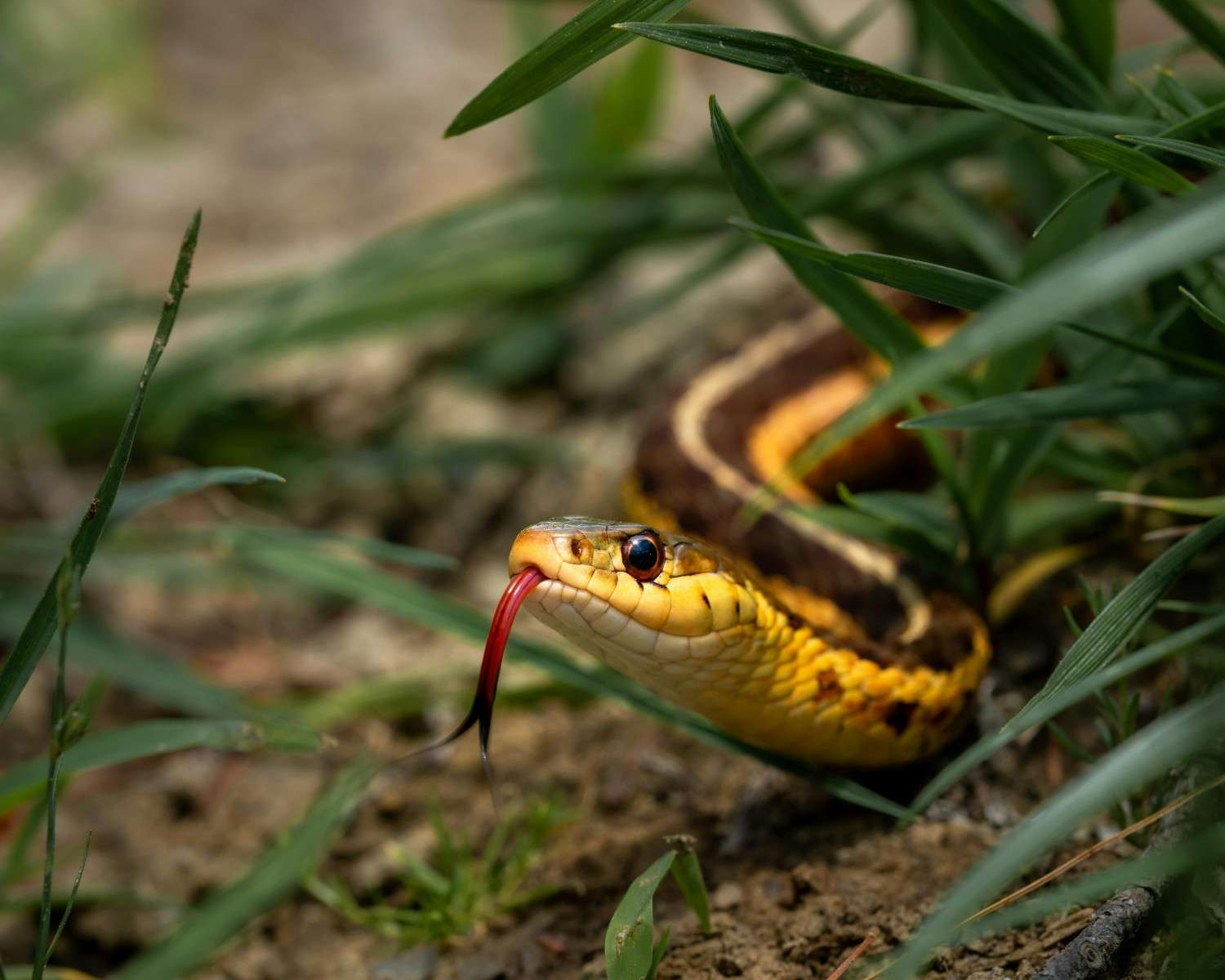
Why Garden Snakes Appear in Backyards
Snakes found in the garden usually enter yards because they offer food, shelter, water, or warmth. Gardens naturally attract insects, rodents, frogs, and other small creatures that snakes feed on.
Common Things That Attract Snakes to Gardens
- Tall grass and weeds
- Mulch piles
- Bird feeders are attracting rodents
- Compost bins
- Standing water
- Wood piles and rocks
- Dense shrubs and ground cover
Understanding what attracts snakes to gardens is the first step toward prevention.
Attention Point:
Many people accidentally create “snake-friendly” environments without realizing it. Overgrown corners and messy storage areas are some of the biggest hidden attractors.
Common Garden Snake Species in the US
Not all snakes in backyard gardens are dangerous. In fact, many harmless backyard snakes help reduce pests naturally.
Most Common Garden Snake Species
| Snake Type | Venomous? | Typical Size | Common Habitat | Helpful for Gardens? |
| Garter Snake | No | Small-Medium | Grass & gardens | Yes |
| Ribbon Snake | No | Thin & Long | Near water | Yes |
| Rat Snake | No | Medium-Large | Barns & yards | Yes |
| Copperhead | Yes | Medium | Wooded areas | No |
| Water Snake | No | Medium | Near ponds | Sometimes |
Garter Snake
The garter snake is one of the most common harmless garden snakes in the US. They usually have striped bodies and feed on insects, slugs, and small rodents.
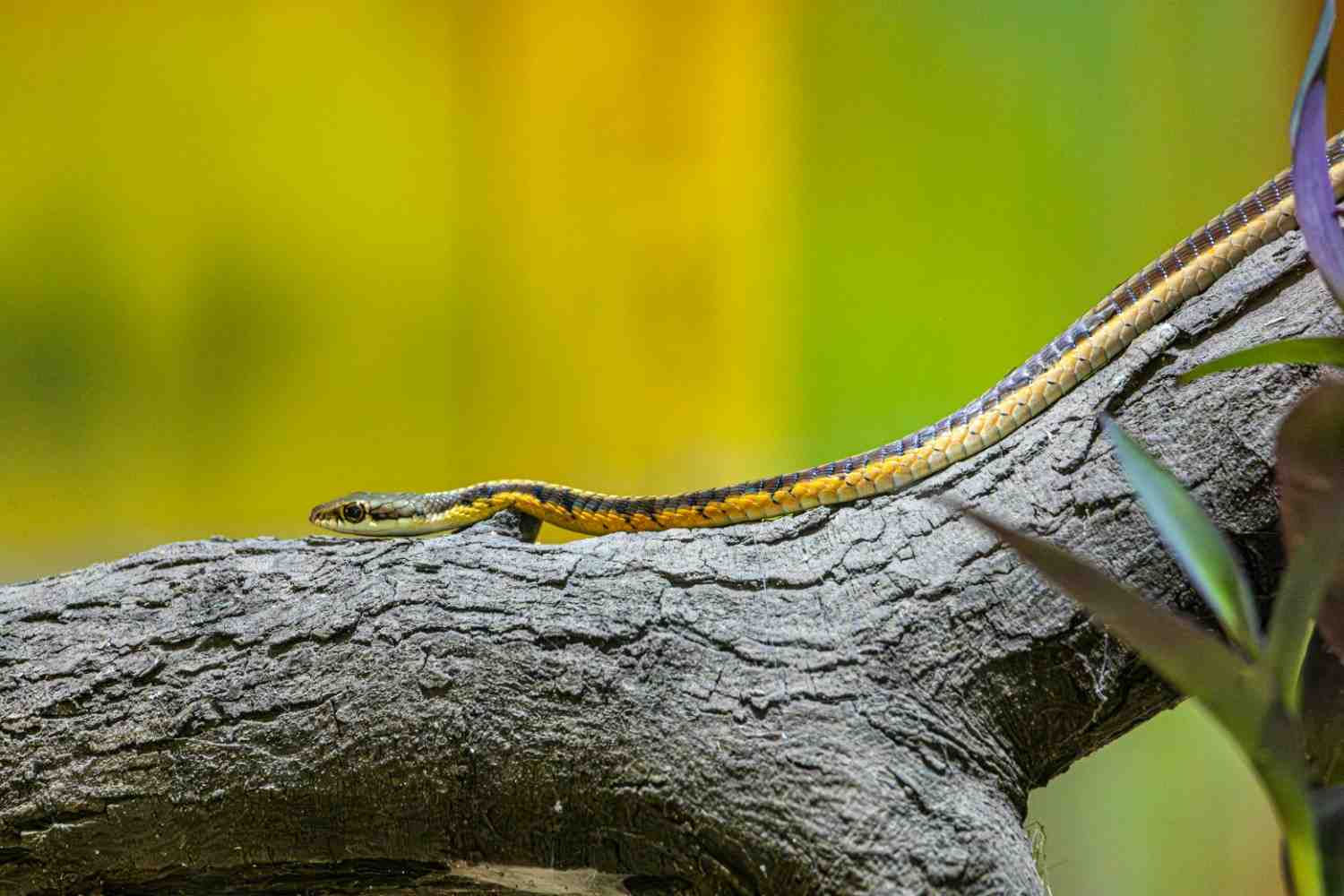
Ribbon Snake
Ribbon snakes are closely related to garter snakes but appear thinner and more agile.
Rat Snake
Rat snakes are larger but non-venomous. They are excellent natural pest controllers because they feed on rats and mice.
How to Identify Garden Snakes Safely
Garden snake identification is important because many harmless snakes are mistaken for dangerous species.
Look at Body Shape
Venomous snakes often have thicker triangular heads, while harmless ribbon snakes usually have narrow heads.
Observe Color Patterns
Many common garden snake species have stripes or smooth patterns instead of aggressive markings.
Notice Behavior
Harmless snakes usually try to escape quickly rather than attack.
Watch the Tail
Rattlesnakes have rattles, while most garden snakes do not.
Important Tip:
Never attempt to pick up or corner a snake just to identify it. Even non-venomous snakes can bite if they feel trapped.
Are Garden Snakes Dangerous?
One of the most searched questions online is: Are garden snakes dangerous?
The answer is usually no.
Most harmless garden snakes:
- Avoid people
- Help control pests
- Rarely bite unless threatened
- Do not damage plants
However, homeowners should still use caution because some venomous snakes may occasionally appear in certain regions of the US.
Signs a Snake May Be Venomous
- Thick triangular head
- Vertical slit pupils
- Loud rattling sound
- Heavy body shape
- Aggressive defensive posture
If you are unsure, contact a professional snake removal service rather than attempting to handle the animal yourself.
Are there any Benefits of Garden Snakes for Your Yard
Surprisingly, a garden rat snake can actually improve your backyard ecosystem.
Benefits of Garden Snakes
Natural Pest Control
Snakes that eat garden pests help reduce:
- Mice
- Rats
- Slugs
- Insects
- Small invasive animals
Eco-Friendly Gardening
Garden snakes reduce the need for harmful chemical pesticides.
Balanced Backyard Ecosystem
Healthy wildlife populations support more sustainable gardens.
This is why many eco-friendly gardening experts encourage homeowners to focus on prevention rather than harming harmless species.
Best Ways to Prevent Garden Snakes
If you prefer keeping snakes away, there are several safe prevention methods.
- Keep Grass Short
Tall grass creates hiding spots.
- Remove Wood & Debris Piles
Snakes love cool, sheltered areas.
- Seal Small Gaps
Close openings near sheds, garages, and foundations.
- Control Rodent Populations
Rodents attract larger snakes.
- Reduce Standing Water
Water sources attract frogs and insects.
- Install Snake-Proof Fencing
Fine mesh barriers can reduce snake access.
These methods are considered the best ways to prevent garter snakes naturally.
Natural Snake Repellents That Actually Help
Many homeowners prefer natural snake repellents to harsh chemicals.
Popular Natural Snake Repellents
- Clove oil sprays
- Cinnamon oil
- Garlic barriers
- Vinegar near water sources
- Snake-repelling plants like marigolds and lemongrass
Attention Point:
Natural remedies may reduce snake activity, but no repellent works 100% effectively on its own. Yard maintenance matters more.
Best Snake Repellent for Gardens
Commercial garter snake control products are becoming increasingly popular in the US.
Popular Options Include:
- Granular repellents
- Ultrasonic snake repellent devices
- Motion-activated sprinklers
- Snake-proof fencing ideas
If the problem becomes serious, homeowners may need:
- Professional snake removal service
- Wildlife removal near me searches
- Licensed pest control experts
Always research products carefully before you buy snake repellent for yard use.
What To Do If You Find a Snake in Your Garden
Finding a garden snake can feel stressful, but staying calm is important.
Safe Steps to Follow
- Keep pets and children away
- Do not attempt to touch the snake
- Observe from a safe distance
- Identify whether it appears venomous
- Contact professionals if unsure
Tip:
Most snakes are far more afraid of humans than humans are of them. Sudden movements usually scare them away naturally.
Source: Pexels
Backyard Wildlife Safety Tips
Backyard wildlife safety is important for both humans and animals.
Simple Safety Tips
- Wear gloves while gardening
- Avoid reaching into dark, hidden areas
- Use outdoor lighting at night
- Keep pathways clear
- Educate children about snake safety
Following these habits significantly reduces the risk of unexpected encounters.
For more backyard and garden care tips, explore:
- Easy Backyard Garden Ideas for Beginners
- Low-Maintenance Garden Ideas for Modern Homes
FAQs
- Are small garden snakes poisonous?
Most small ultrasonic snake repellents found in US yards are harmless and non-venomous. - What attracts snakes to gardens?
Tall grass, rodents, standing water, mulch piles, and dense landscaping are common attractants for snakes. - How do you get rid of garden snakes?
Keeping yards clean, reducing hiding spots, and controlling rodents are the most effective long-term solutions. - Are garter snakes dangerous?
No, garter snakes are generally harmless and beneficial for gardens. - What is the best snake repellent for gardens?
Motion sprinklers, habitat cleanup, and snake-proof fencing are among the most effective options.
Final Thoughts
Seeing a garden snake in your yard does not always mean danger. Many common garden snake species are harmless and actually help with natural pest control and eco-friendly gardening.
The key is learning proper garden snake identification, reducing attractants, and using safe prevention strategies instead of panic-driven reactions.
Whether you are dealing with garter snakes, ribbon snakes, or other backyard wildlife, maintaining a clean and balanced garden environment is the best long-term solution.
For more gardening guides, backyard safety tips, and outdoor living inspiration, visit Daily Garden Guide and explore more expert garden advice today.
About The Author
