
If you’ve ever planted something with excitement… only to watch it struggle, grow slowly, or worse – die -you’re not alone.
I’ve been there too.
When I started gardening, I thought watering daily and giving sunlight were enough. But the truth? Plants don’t just grow – they respond to how you care for them.
The difference between an average garden and a thriving one comes down to a few powerful gardening tips that most beginners overlook.
In this Daily Garden guide, I’ll share real, experience-backed strategies that will help you grow plants faster, healthier, and with far less frustration in 2026.
✅ Key Takeaways
- Soil quality impacts growth more than anything else
- Overwatering is the fastest way to kill plants
- Sunlight timing matters more than duration
- Consistent care beats occasional effort
- Small changes = big growth improvements
🌿 What Are Gardening Tips? (Quick Definition)
Gardening tips are practical, proven techniques that improve plant growth, health, and yield by optimizing soil, watering, sunlight, and maintenance routines.
📊 Quick Overview Table: Essential Gardening Tips
| Tip Category | What to Do | Why It Works |
| Soil Preparation | Add compost & loosen soil | Improves root growth |
| Watering | Deep water, less frequently | Prevents root rot |
| Sunlight | Match plants to sun exposure | Boosts photosynthesis |
| Fertilizing | Use organic fertilizers monthly | Provides steady nutrients |
| Pruning | Trim dead leaves regularly | Encourages new growth |
| Spacing | Avoid overcrowding plants | Improves airflow & health |
| Mulching | Add mulch around plants | Retains moisture & nutrients |
🌼 12 Expert Gardening Tips to Grow Faster
1. Start with Soil, Not Plants
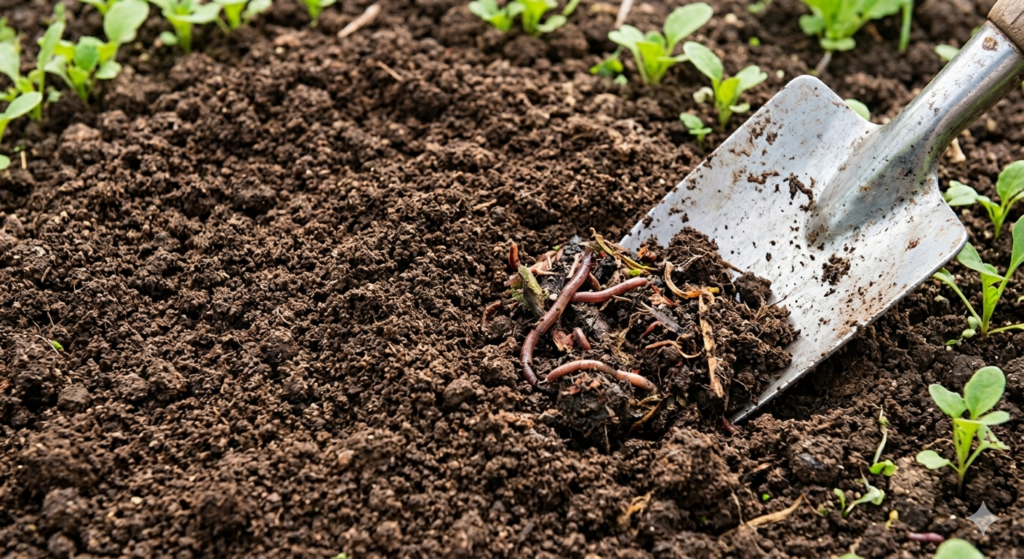
I’ve noticed beginners focus too much on buying plants and ignore the soil. Big mistake. To grow healthy, disease-resistant plants, know your soil first: pH level, biological health, Color, moisture level, earthy scent (geosmin), and organic matter.
Make sure you have soil enriched with essential nutrients, fungi, microbes, and worms (free, natural fertilizer) to reduce the need for chemical fertilizers.
Always start with testing the soil. Here is how:
- Use compost or organic matter
- Ensure soil drains well (not soggy)
- Test the soil if possible
👉 Healthy soil = faster plant growth.
2. Don’t Overwater (This Is the #1 Mistake)
One mistake I made early on was watering daily. In the beginning, I used to water my plants every single day at the same time, thinking consistency meant success. But what actually happened? Some plants started drooping, others developed yellow leaves, and a few just stopped growing altogether.
That’s when I realized—plants don’t follow a clock, they respond to their environment. Soil moisture changes based on weather, pot size, plant type, and even wind. A plant sitting in direct sun dries out faster than one in partial shade.
Now, instead of following a schedule, I simply check the soil. I stick my finger in about an inch—if it feels dry, I water. If it’s still moist, I leave it alone. This one habit alone dramatically improved my plant health.
👉 Plants don’t need routine—they need attention.
⚠️ Common Mistake Box
- Watering on a fixed schedule instead of checking the soil
- Using pots without drainage holes
3. Give Plants the Right Sunlight
Not all plants need full sun. Sunlight confused me more than anything when I started. Labels like “full sun” or “partial shade” sound simple, but in reality, sunlight changes throughout the day. I once placed a plant in what I thought was a sunny spot, but it only got harsh afternoon light—and the leaves ended up scorched.
Here’s what I’ve learned: morning sunlight is soft and nourishing, while afternoon sunlight can be intense and dehydrating, especially in warmer climates. Shade doesn’t mean darkness either—it just means indirect light.
Understanding how sunlight moves across your space is key. Spend a day observing where the light falls in the morning, at noon, and in the evening. This small step helps you place plants correctly and avoid unnecessary stress on them.
👉 Right plant + right light = faster growth.
Quick Tips:
- Morning sun is best for most plants
- Avoid harsh afternoon exposure for delicate plants
- Rotate pots weekly for even growth
- Observe sunlight patterns before planting
- Leafy greens → partial shade
- Tomatoes → full sun (6-8 hours)
- Indoor plants → bright indirect light
Read more to find the best indoor plants that require less sunlight and water, which means less care and more green.
4. Use Mulch Like a Pro
Mulching is one of the easiest home gardening ideas that most people skip.
Mulching is one of those things I ignored at first because it didn’t seem “important.” But once I tried it, I noticed an immediate difference. The soil stayed moist longer, weeds were reduced significantly, and plants looked healthier overall.
Think of mulch as a protective blanket for your soil. It prevents water from evaporating too quickly, keeping the temperature stable. This is especially helpful during hot summers when soil dries out fast.
You don’t need anything fancy either. I’ve used dry leaves from my own garden, and they work just as well as store-bought mulch. Over time, they even break down and improve soil quality.
👉 Mulching saves time, water, and effort.
Quick Tips:
- Apply 1-2 inches of mulch around plants
- Use natural materials like straw or leaves
- Keep mulch away from plant stems
- Refresh mulch every few weeks
5. Feed Your Plants Smartly
Feeding plants is where many gardeners either do too little or way too much. I’ve made both mistakes. At one point, I thought more fertilizer would mean faster growth, but it actually burned the roots and slowed everything down.
Plants need nutrients, but in balanced amounts. I now prefer using organic compost because it slowly releases nutrients and improves soil structure. Liquid fertilizers can also help, especially during the growing season, but they should be used carefully.
The goal is not to force growth but to support it naturally. When plants get the right nutrients at the right time, they grow stronger and healthier without stress.
👉 Think of feeding as support, not a shortcut.
Quick Tips:
- Use organic compost regularly
- Feed every 2-3 weeks during growth season
- Avoid over-fertilizing
- Observe plant’s response after feeding
6. Choose Plants Based on Your Region – US Guide
One thing I’ve noticed is that many beginners pick plants based on appearance rather than suitability. I’ve done it too, buying a beautiful plant only to watch it struggle because it wasn’t meant for my climate.
In the US, seasons play a huge role in gardening success. Certain plants thrive in cooler spring temperatures, while others need the heat of summer. Planting something out of season often leads to slow growth or failure.
Once I started aligning my plants with the season, everything changed. Growth became faster, maintenance became easier, and results were far more satisfying.
👉 Right timing can save months of frustration.
Quick Tips:
- Spring: grow leafy greens
- Summer: plant heat-loving vegetables
- Fall: switch to hardy crops
- Always check local growing conditions
7. Give Plants Space to Breathe
Early in my gardening journey, I used to pack plants close together because I wanted a “full” look. It looked great initially—but soon, plants started competing for light, water, and nutrients.
Crowded plants also create poor airflow, which leads to fungal issues and pest problems. Once I started giving proper spacing, I noticed stronger stems, better growth, and fewer diseases.
Spacing isn’t just about aesthetics—it’s about plant health.
👉 More space = more growth.
Quick Tips:
- Follow spacing guidelines on labels
- Avoid overcrowding containers
- Improve airflow between plants
- Thin seedlings if needed
8. Pruning = Growth Boost
Pruning felt wrong to me at first. Cutting a healthy-looking plant didn’t make sense. But once I understood the purpose, it became one of my favorite gardening practices.
When you remove dead or excess growth, the plant redirects its energy into producing new leaves, flowers, or fruits. It also improves airflow and reduces the chances of disease.
Now, I regularly prune my plants—and the difference in growth is noticeable.
👉 Sometimes, less is more in gardening.
Quick Tips:
- Remove dead or yellow leaves
- Trim overcrowded branches
- Use clean, sharp tools
- Prune during active growth periods
9. Deep Watering = Strong Roots
This was a game-changer for me. I used to water lightly every day, thinking it was enough. But plants developed shallow roots and struggled during heat.
Deep watering, on the other hand, encourages roots to grow deeper into the soil where moisture lasts longer. This makes plants more resilient and less dependent on frequent watering.
Now, I water thoroughly but less often—and my plants are much stronger because of it.
👉 Deep roots = healthy plants.
Quick Tips:
- Water deeply 2-3 times a week
- Ensure water reaches root level
- Avoid frequent shallow watering
- Adjust based on plant type
10. Watch for Early Pest Signs
Pests can spread faster than you expect. I’ve had situations where everything looked fine one day, and within a week, plants were heavily damaged.
The key is early detection. I now make it a habit to quickly inspect my plants while watering. Just turning over a few leaves can help you spot issues before they grow.
Natural solutions like neem oil have worked really well for me, especially when used early.
👉 Prevention is always easier than cure.
Quick Tips:
- Inspect plants regularly
- Check underside of leaves
- Use natural pest control
- Act immediately when spotted
11. Rotate Plants for Better Growth
This is something I learned later, but it makes a big difference—especially if you’re growing in the same soil.
Different plants use different nutrients. If you grow the same plant repeatedly in one spot, the soil becomes depleted. Rotating plants helps maintain soil balance and reduces pest buildup.
Even in containers, changing plant types seasonally can improve results.
👉 Healthy soil = consistent rotation.
Quick Tips:
- Change plant types each season
- Avoid repeating same crops in one spot
- Improve soil health naturally
- Plan your planting cycles
12. Use Raised Beds or Containers
If you’re short on space or just starting out, containers are a great option. I personally found them easier to manage compared to traditional ground gardening.
Raised beds and containers offer better control over soil, drainage, and placement. You can move them around based on sunlight and protect them easily during harsh weather.
👉 More control = better results.
Quick Tips:
- Use pots with drainage holes
- Choose quality potting mix
- Move containers based on sunlight
- Avoid overfilling pots
13. Keep Tools Clean
This might sound small, but it’s something many people ignore. I used to reuse tools without cleaning them, and unknowingly spread diseases between plants.
Now, I simply wipe tools after use or rinse them occasionally. It takes less than a minute but prevents a lot of problems.
👉 Clean tools = healthy garden.
Quick Tips:
- Clean tools after use
- Store in a dry place
- Avoid using rusty tools
- Sanitize if plants are diseased
14. Track Your Gardening Routine
One habit that improved my gardening skills quickly was tracking what I did. I started noting when I watered, fertilized, or noticed changes in plants.
This helped me understand patterns and fix mistakes faster. Gardening becomes much easier when you learn from your own experience.
👉 Awareness leads to improvement.
Quick Tips:
- Note watering and feeding schedule
- Track plant growth
- Identify patterns
- Adjust care accordingly
15. Be Patient but Consistent
Gardening teaches patience like nothing else. I used to expect quick results, but plants grow at their own pace.
What matters is consistency—showing up regularly, observing, and making small improvements. Over time, these small efforts lead to big results.
👉 Growth takes time—but it always comes.
Quick Tips:
- Stay consistent with care
- Don’t expect overnight results
- Learn from mistakes
- Enjoy the process
🪴 Step-by-Step: How to Start Gardening (Quick Guide)
- Choose a sunny spot
- Prepare soil with compost
- Pick beginner-friendly plants
- Water properly (not daily!)
- Add mulch
- Monitor growth weekly
- Adjust care as needed
🧠 Beginner Mistakes & Fixes
| Mistake | Fix |
| Overwatering | Check soil before watering |
| Poor soil | Add compost |
| Wrong sunlight | Relocate plant |
| No fertilizing | Use organic nutrients |
| Ignoring pests | Inspect regularly |
💡 Personal Tips From Experience
- I’ve noticed plants grow faster when I talk to them while watering—it keeps me consistent
- One mistake I made was using garden soil in pots, it compacts and blocks roots
- Early morning watering works best because it reduces evaporation
✅ Quick Start Guide Checklist
✔ Choose the right plants for your region
✔ Prepare nutrient-rich soil
✔ Ensure proper sunlight
✔ Water only when needed
✔ Add mulch for moisture retention
✔ Feed plants monthly
✔ Monitor pests regularly
FAQs
1. What are the best gardening tips for beginners?
According to Daily Garden Guide Experts, start with easy plants, focus on soil quality, avoid overwatering, and ensure proper sunlight.
2. How often should I water my plants?
Water only when the top soil feels dry, usually 2-3 times a week, depending on weather.
3. How can I make plants grow faster?
Use nutrient-rich soil, proper sunlight, regular feeding, and consistent care.
4. What is the best fertilizer for home gardening?
Organic compost or balanced liquid fertilizers work best for most plants.
5. Why are my plants not growing?
Common reasons include poor soil, lack of sunlight, overwatering, or nutrient deficiency.
6. Can I garden without a backyard?
Yes, the Daily Garden guide suggests that container gardening works well for balconies, patios, and even indoors.
7. What vegetables grow fastest?
Lettuce, radishes, spinach, and green onions grow quickly and are beginner-friendly.
8. Is morning or evening better for watering plants?
Morning is best, it reduces evaporation and prevents fungal diseases.
🌸 Final Thoughts
Gardening doesn’t have to be complicated. With the right gardening tips, even beginners can grow thriving plants at home. The key is to focus on fundamentals, soil, water, sunlight, and stay consistent.
🌱 Start small, learn as you go, and enjoy the process.
If you’ve been waiting for the “perfect time” to start gardening, this is it.
About The Author
